Some EU countries do not sufficiently inform their own populations about the threats associated with the instrumentalization of religion by foreign policy, and Russian intelligence services readily exploit this situation.
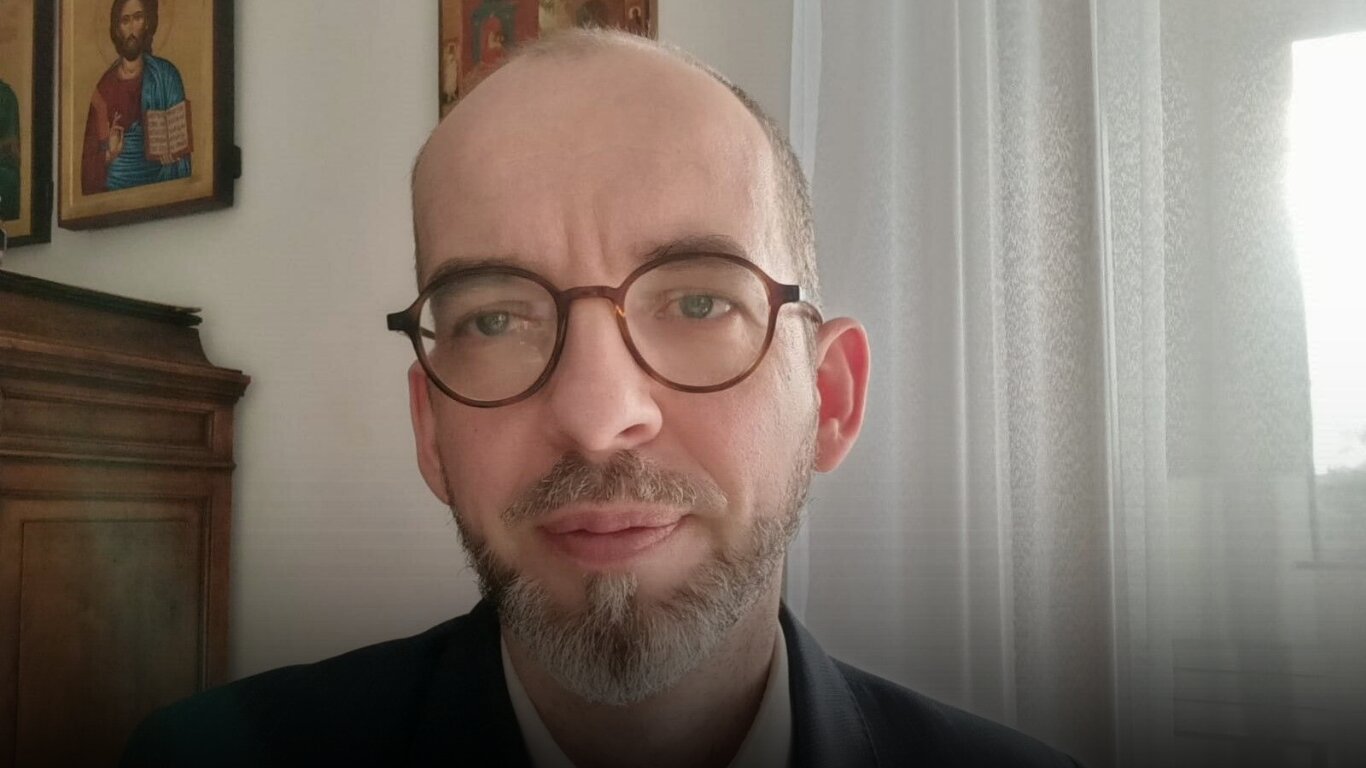
This view was expressed by Dr. Pavel Vrublevskiy, head of the Laboratory for Predictive Studies of Religious Transformations at Wroclaw University in Poland, in an interview with the outlet Risu.
He notes that in instrumentalizing religion, Moscow resorts to its classic methods.
“From the perspective of social psychology, Russian influence rarely operates through one time propaganda and more often through a mechanism of normalization, a gradual shifting of the boundaries of what is considered acceptable, ‘this is just prayer,’ ‘this is just tradition,’ ‘this is just another point of view,’ up to the moment when a group begins to defend decisions that benefit the aggressor as if they were its own. Well known tools of influence are used here, sacred and institutional authority, pressure of conformism, the social need for cohesion, and a gradual redefinition of identity, ‘we are not citizens of the state but true believers against a corrupt world.’ As a result, a phenomenon of a shifted norm emerges, what was unacceptable yesterday is today considered a ‘smart compromise.’ This is a classic Moscow technique,” Vrublevskiy notes.
He believes that countering Russian manipulation requires an exchange of experience between countries.
“If citizens do not understand what the instrumentalization of religion by foreign policy is, they will react instinctively, under the belief that religion is a ‘private matter’ and that criticism of it constitutes ‘discrimination,’ which makes it easier for the aggressor to reverse roles and cause moral disorientation. The absence of a conscious public discussion creates a gray zone, a space without cognitive resilience, in which polarization, conspiracy theories, the ‘us versus them’ mechanism, and the gradual hijacking of the agenda are easily set in motion.
This unoccupied space is not neutral. It is an invitation for Russian services and their intermediaries, it is an ideal environment. One can gently, at low cost, under the cover of pastoral care, traditions, concern for ethnic minorities, or religious freedom, patiently do their work, recruit, bind through interests, change group priorities, and build a long lever of influence. Most often this happens not because of the implementation of a brilliant plan but because of a banal human tendency to submit to authority, seek belonging, and avoid conflict, that is, because of what in a normal society serves as a positive social bond but under conditions of information warfare becomes a vulnerability,” the scholar notes.