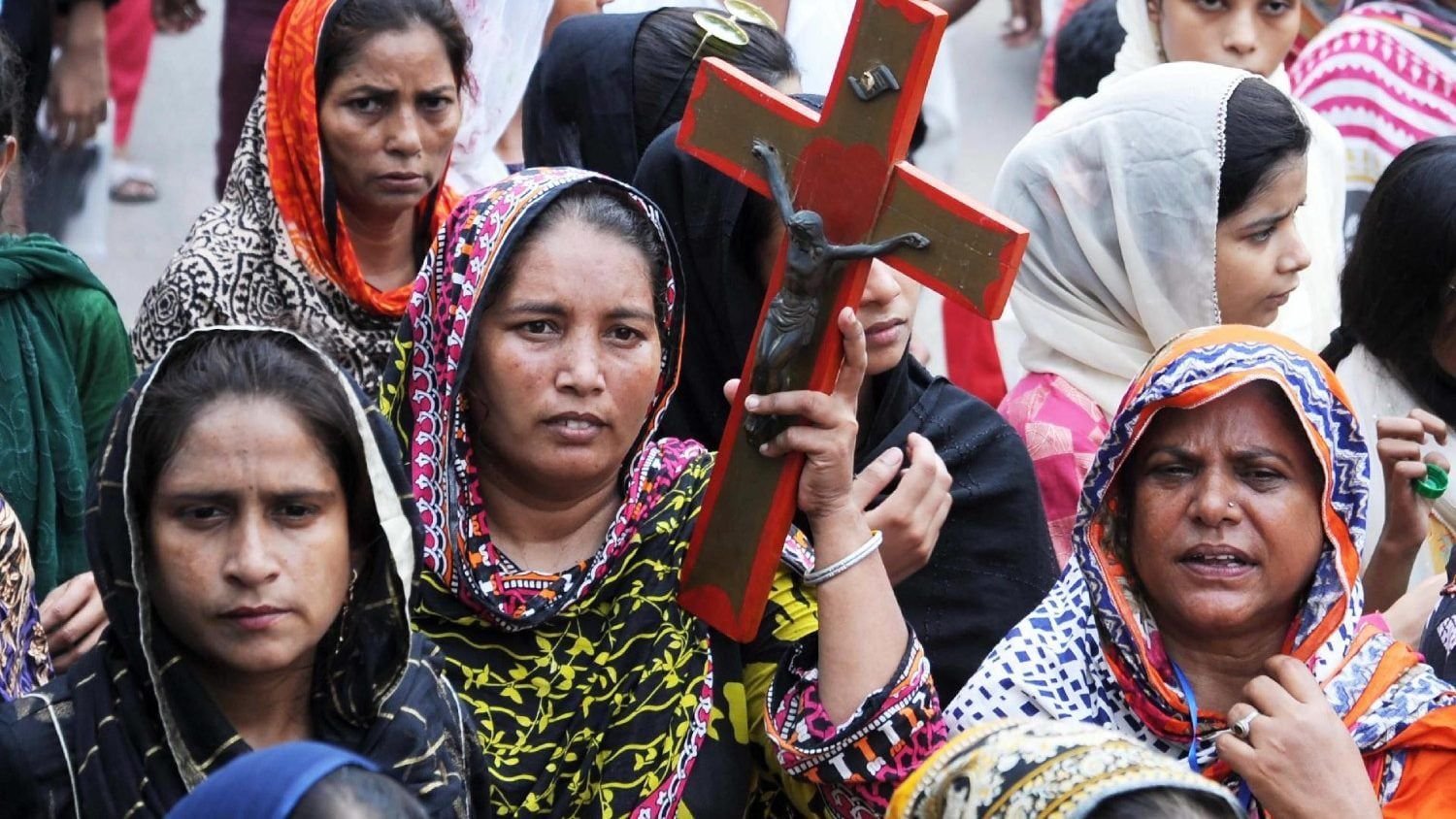
In the Indian state of Chhattisgarh, more than 180 Christian families from 32 villages have faced a boycott and various restrictions for nearly three weeks after refusing to renounce their faith. According to reports from human rights advocates and representatives of Christian organizations, residents have been denied access to water sources and stripped of opportunities to earn a living.
The incident occurred in Kanker District, in the Antagarh area, which is home to a large population of Indigenous tribal peoples known as Adivasis. For many residents of the region, agriculture and the collection of forest products are the primary sources of income, reports inVictory.
According to local Christian leaders, believers have been prohibited from using public rivers, ponds, water taps, and hand pumps. In addition, some families have lost the opportunity to participate in government employment programs and to collect forest resources, which form an important part of their income.
The forests of Chhattisgarh play a vital role in the lives of local tribal communities. Residents gather a variety of forest products both for their own use and for sale in local markets.
Representatives of Christian organizations say that the boycott is being used as a means of pressuring believers to participate in the “Ghar Wapsi” (“Homecoming”) programs, which involve renouncing Christianity and returning to Hinduism.
Christian leaders note that similar incidents in Kanker District are not unprecedented. Previously, a number of villages adopted measures restricting Christian burials and prohibiting pastors from entering.
According to human rights advocates, radical groups and local leaders in some communities have already used similar methods of pressure, including cutting off access to water, forbidding the cultivation of land, and obstructing the burial of deceased Christians.
As LF previously reported, laws restricting conversion to another religion are in force in half of India’s states.
These laws may soon face legal challenges. The Supreme Court of India is considering whether they violate constitutional rights to privacy and freedom of conscience. Its ruling will help shape the role of religion in India, where Hindu nationalism is becoming increasingly influential.
We previously reported that a court case currently underway in India could determine the future of religious freedom in the country. The Supreme Court recently issued notices to 12 states in connection with a petition challenging the constitutionality of anti-conversion laws.