Перевод на английский язык:
Russian Orthodox Church’s Sofrino Enterprise Included in Proposed EU Sanctions Package
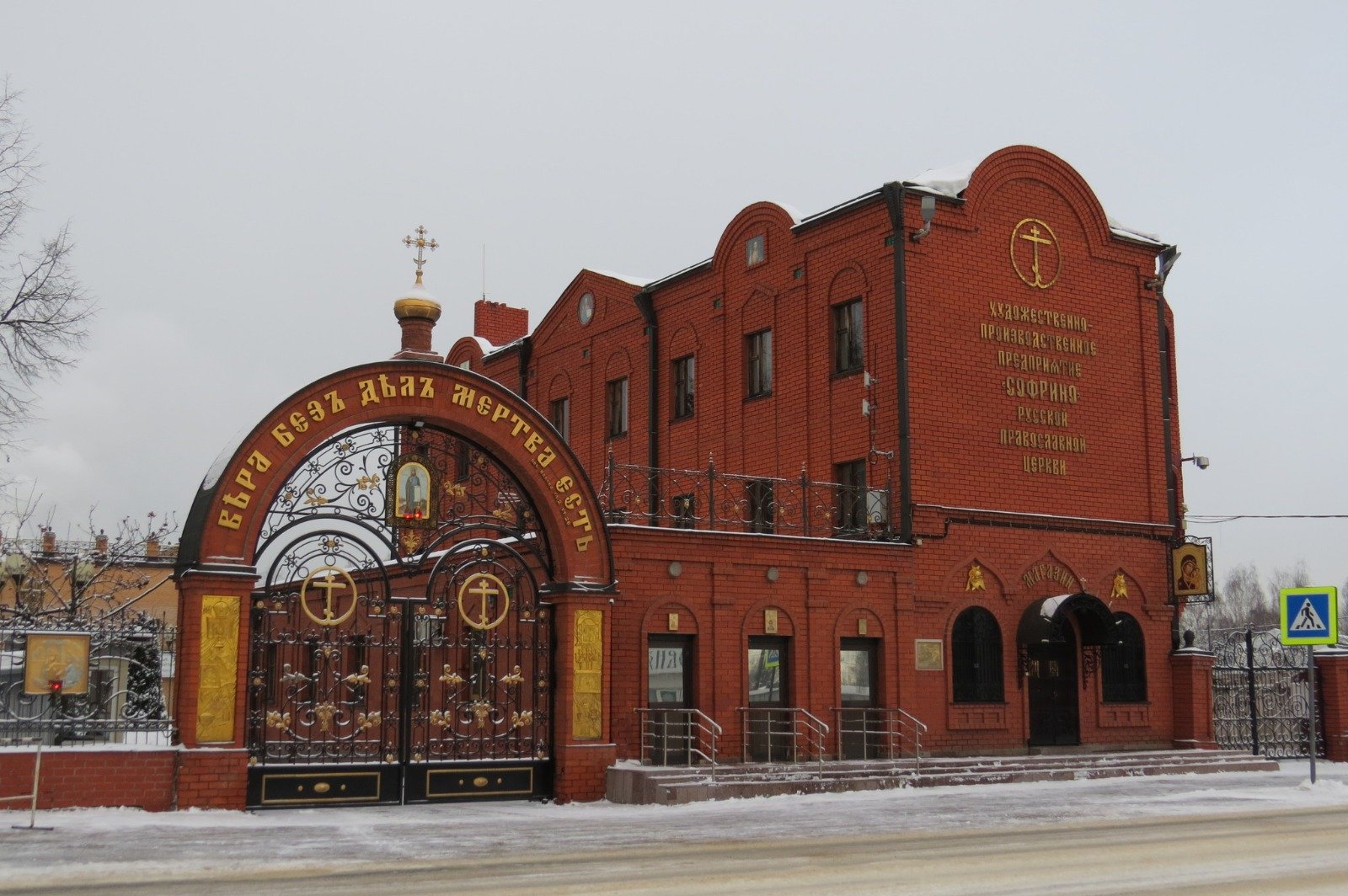
Sofrino, an enterprise controlled by the Russian Orthodox Church, has been included in the draft of the EU’s latest sanctions package.
This was reported by Radio Free Europe/Radio Liberty.
The document states that the company “manufactured religious items for Russian military personnel participating in the war against Ukraine”, including specialised field kits for military chaplains.
The EU has proposed its 22nd package of sanctions in response to Russia’s full-scale invasion of Ukraine. The measures primarily seek to restrict Russia’s influence in sport and also target the country’s energy sector, banking sector and military-industrial complex. In addition, a further 82 individuals and legal entities have been proposed for inclusion on the EU sanctions list.
As reported by LF, the head of the Russian Orthodox Church has been named in the draft EU sanctions package. The EU accuses the patriarch of disseminating revisionist propaganda aimed at justifying the war in Ukraine.
According to LF, the European Union (EU) previously added Metropolitan Tikhon (Shevkunov) of Simferopol and Crimea to its sanctions list, as stated in a Council of the EU regulation. Shevkunov has been described as “Putin’s spiritual adviser” and a likely successor to Kirill.
LF Commentary.
The Sofrino ecclesiastical arts and manufacturing enterprise is Russia’s largest producer of religious goods and has for decades held a de facto monopoly within the centralised system of supplying Moscow Patriarchate parishes. The enterprise supplied icons, church furnishings, liturgical vestments and other religious items not only to churches and monasteries in Russia but also to virtually every post-Soviet country, as well as to Russian Orthodox Church parishes abroad. Sofrino is one of the key enterprises underpinning the Moscow Patriarchate’s economic infrastructure. If the proposed EU sanctions are adopted, the restrictions could therefore affect not only the senior leadership of the Russian Orthodox Church but also one of its largest commercial operations.