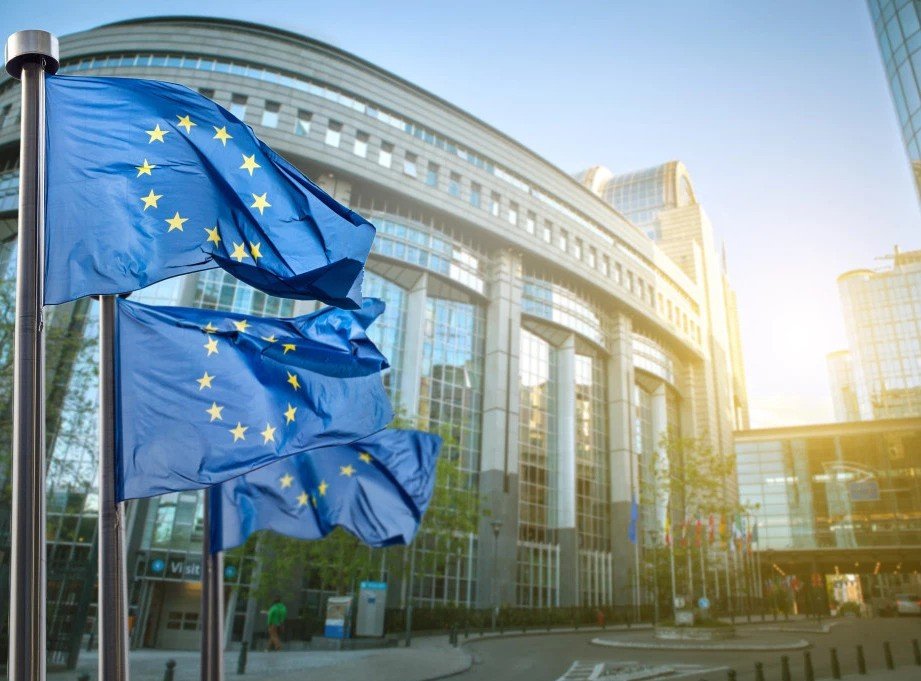
On 22 September 2025, at a meeting of the Committee on the Protection of Democracy in the European Parliament, deputies and experts stated that the Kremlin is using the Russian Orthodox Church (ROC) as an instrument of hybrid warfare and political influence.
According to parliamentarians, freedom of religion — a fundamental right — is being turned by Moscow into a vulnerability within European societies.
Moldova under Pressure
Special attention was given to Moldova, where parliamentary elections took place just days ago. President Maia Sandu stressed that Russian interference is systemic:
“Russia’s interference is not limited to elections. Like a virus, it finds the weak spots in our societies. And one such vulnerability is freedom of religion.”
Deputies expressed concern that the Orthodox Church in Moldova continues to serve as a conduit for Russian geopolitical influence, despite the authorities’ efforts to curb external interference.
(Libertas Fidei has previously examined how Moscow uses church structures to influence Moldovan elections — read the article)
From the Caucasus to the United States
Franco-Georgian researcher Tornike Gordadze noted that the countries of the South Caucasus have also proven vulnerable. In Armenia and Georgia, even reformist governments have not altered the churches’ ties with Moscow. Clergy in these countries, he argued, have enriched themselves through dubious economic activities and evolved into autonomous centres of power.
Part of the discussion focused on Ukraine, where the transfer of parishes from the Ukrainian Orthodox Church affiliated with Moscow to the Orthodox Church of Ukraine under the Ecumenical Patriarchate has been accompanied by information campaigns orchestrated by Russia.
Some deputies also pointed to connections between Orthodox and conservative movements in Europe and the United States, highlighting cooperation between Russian Orthodox actors and American evangelicals in promoting an anti-liberal agenda.
From Soviet Propaganda to “Spiritual Security”
British political scientist Lucian Leustean reminded the committee that as early as the 1960s, Soviet authorities viewed priests as an instrument of foreign policy:
“As far back as 1965, Soviet officials acknowledged that priests were needed to show the world the moral face of the USSR. Today this has evolved into the doctrine of ‘spiritual security.’ We now see priests blessing tanks and justifying the war in Ukraine as ‘sacred.’”
Religious Centres as Intelligence Cover
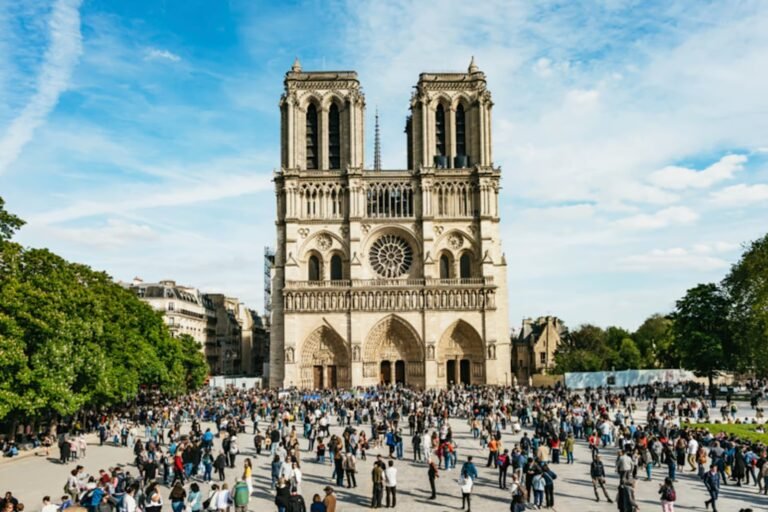
Committee chair Nathalie Loiseau recalled that the Russian cultural centre in Paris was effectively exposed as an espionage hub. According to her, similar structures are active in Rome and New York.
Deputies stressed that these are not isolated cases: under the guise of cultural and religious centres, Moscow is building networks for intelligence and propaganda activities abroad.
MEP Helmut Brandstätter took a firm position:
“If their leader is KGB, then they are spies too. Expel them!”
Balancing Rights and Security
Some experts, however, cautioned against overly radical measures. Leustean noted that religious diplomacy can open unique channels of communication but requires careful scrutiny and support for progressive clergy.
Today, the European Parliament faces a difficult task: countering Moscow’s religious propaganda without undermining civil rights and freedom of religion. The struggle is not only for political dominance, but also for people’s minds and spiritual lives.
As committee chair Nathalie Loiseau concluded:
“The decisions taken in this decade will shape the region for generations to come.”