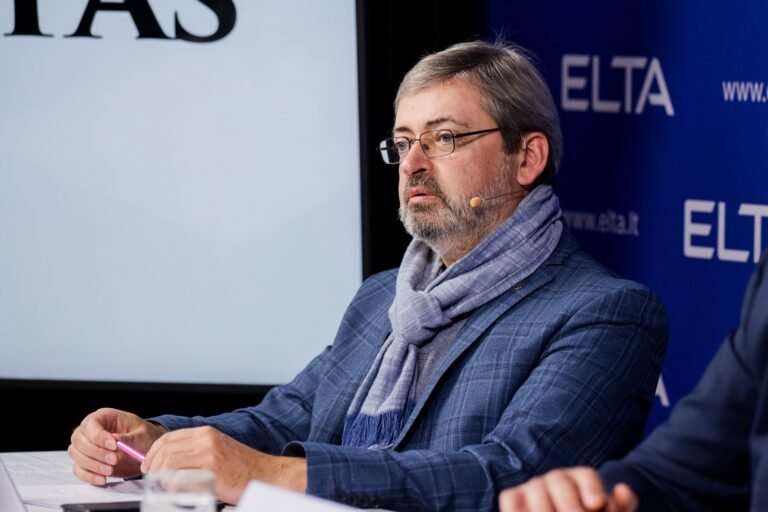
Russia continues to actively disseminate propaganda and disinformation aimed at European audiences. As part of its hybrid influence operations, it increasingly engages religious organizations as well. This was stated by Rena Marutyan, Director of the Institute for National Resilience and Security, speaking at the forum “Resilient Europe: Countering Russian Propaganda and Disinformation”, organized in December 2025 in Brussels by the European Economic and Social Committee (EESC).
During the conference, experts presented a study on destructive narratives that Moscow systematically promotes within the European information space. Central among these are claims about the alleged “weakness of the EU” and its unpreparedness for military confrontation, as well as the notion that resisting external aggression is futile. Particular emphasis was placed on the Russian propaganda assertion that, in the event of a large-scale military conflict, NATO would allegedly fail to defend Europe — an argument aimed at undermining trust in collective security mechanisms.
At the request of European parliamentarians, an analysis of the information environment in four EU member states — France, Spain, Belgium, and Hungary — was conducted. The report was submitted in Brussels and, according to Marutyan, generated considerable interest.
“We demonstrated which narratives are the most destructive, which Russian organizations shape them, and which structures operate most aggressively in the information space”, she noted.
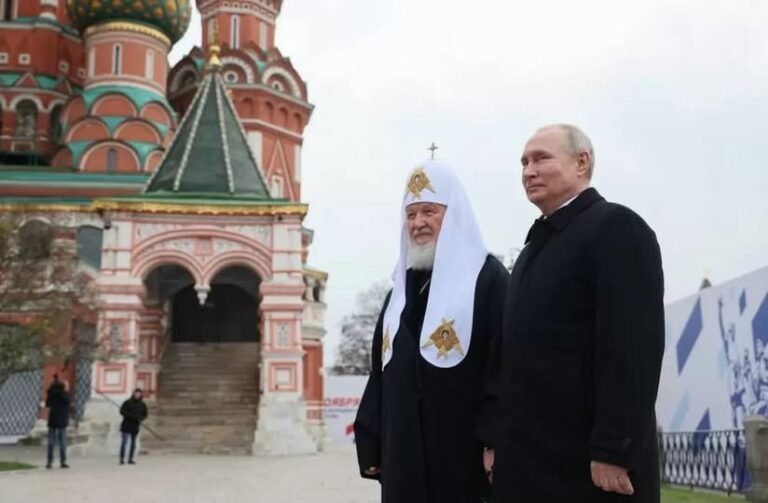
Among such structures, the expert highlighted Rossotrudnichestvo and the Russian Orthodox Church. According to her, the Russian Orthodox Church has been attempting to construct religious facilities in close proximity to critical and military infrastructure in EU countries — including military units, bridges, airports, and nuclear fuel production facilities. At the same time, Marutyan уточнила that the land for such projects is often purchased or leased by the state-owned corporation Rosatom, which, in her assessment, indicates a direct link between religious initiatives and the military-industrial complex of the Russian Federation.
Speaking about Rossotrudnichestvo, the Director of the Institute described it as one of the most powerful instruments of Russia’s “soft power”. As an example, she cited the opening of a “Russian House” in Brussels, while also noting the organization’s extensive presence in France, Portugal, and a number of other European countries.