The conditions for registering religious organizations in Slovakia do not meet the standards of a democratic society.
This issue was raised again at a meeting of the OSCE Office for Democratic Institutions and Human Rights in Vienna a few days ago, according to European Times.
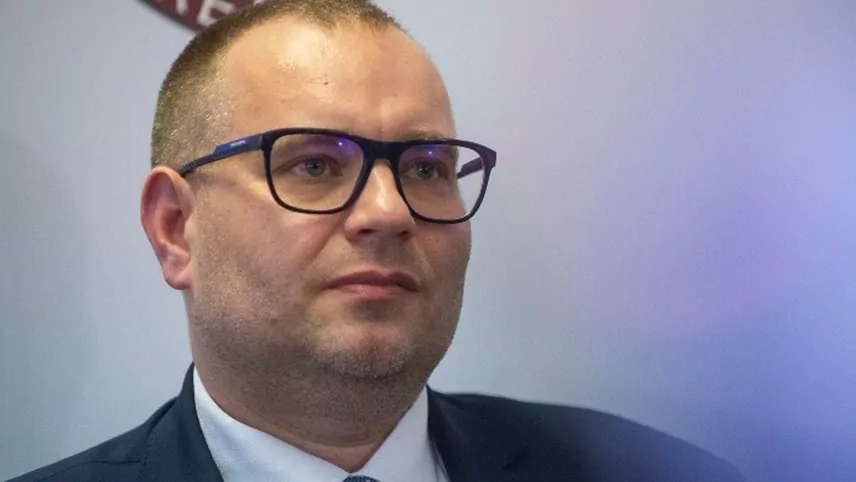
During the discussion, Slovak Public Defender of Rights Robert Dobrovodský announced his intention to challenge the state requirement that a religious community must have 50,000 adult adherents to obtain official registration. The ombudsman’s office has for many years argued that this threshold is excessive, discriminatory, and incompatible with the requirements of a democratic society.
Under current Slovak legislation, a group seeking recognition as a religious community must submit declarations from at least 50,000 adult citizens who are permanent residents of the country. In practice, this threshold is not merely a formality. Groups unable to meet it may organize under other legal forms, such as civic associations, but they do not receive the status of a recognized religious community and therefore lose access to a range of rights and public functions enjoyed by recognized churches. This includes the ability to fully engage with the state, establish religious schools, receive state subsidies, and provide chaplaincy services in places such as prisons or public hospitals.
Many of the churches already registered in Slovakia would not meet the current requirements if they were applying for the first time today. They remain protected because they were registered before stricter rules came into force. The Slovak ombudsman’s office stated that this rule prevents smaller churches and religious societies from acquiring legal personality as religious communities and creates a number of practical difficulties, ranging from property and employment issues to restrictions on their institutional religious life.
The gradual tightening of registration rules in 2007 and 2017 has resulted in only a few of the largest churches being able to meet the current criteria. The ombudsman’s report argues that this may violate constitutional guarantees of freedom of religion and church self-governance, as well as contradict the state’s obligation to maintain religious neutrality.
Legislative initiatives have so far produced no results. The next step may be legal proceedings.
The significance of this issue extends beyond Slovakia. Across Europe, debates about freedom of religion often focus on high-profile scandals, discrimination cases, or symbolic political battles. However, the rules of legal recognition also matter.