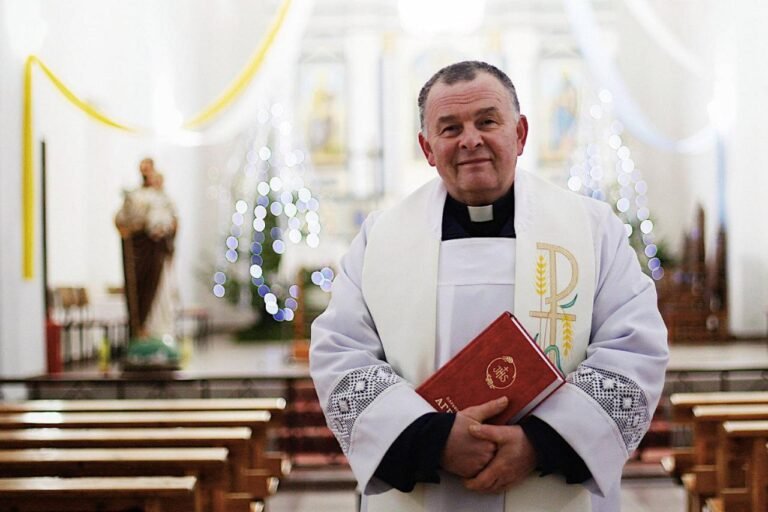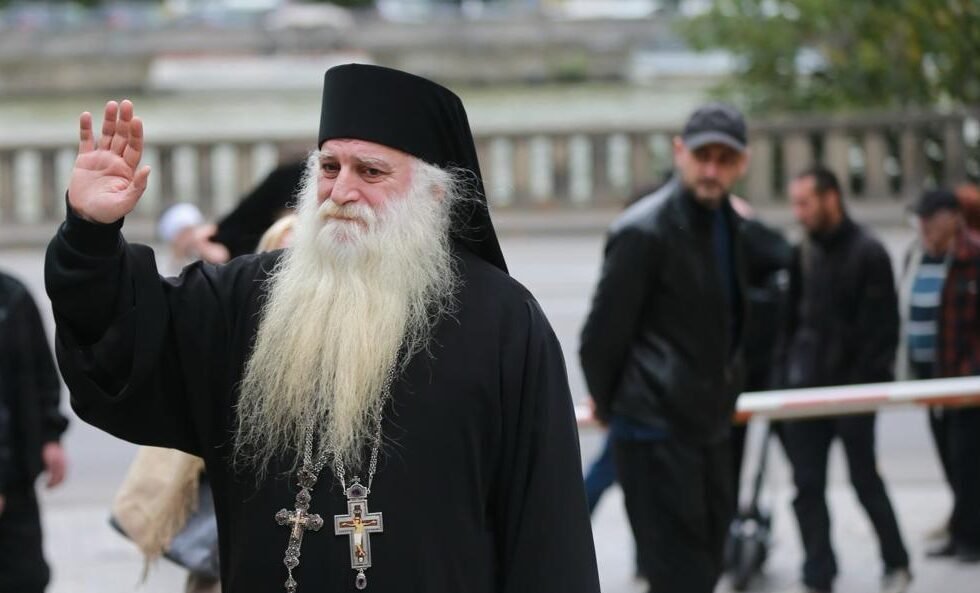
In Georgia, Archimandrite Dorote Kurashvili of the Georgian Orthodox Church has been temporarily prohibited from conducting religious services. The decision was signed by Catholicos-Patriarch of All Georgia Ilia II. The reason cited was the cleric’s public support for anti-government protests.
According to the Telegram channel Tbilisi Life, for several weeks Kurashvili held daily prayer services at rallies outside the parliament building, where protesters opposed decisions by the Georgian authorities that many experts have assessed as undermining the country’s democratic foundations, strengthening the ruling party’s control, and moving away from the declared pro-European vector of development.
At the end of October, Archimandrite Dorote Kurashvili was removed from his post as rector of the Church of the Nativity of Christ the Savior in Kvemo-Betlemi and transferred to the ranks of clergy of the Patriarchal Lavra of the Holy Trinity Cathedral.
In an official statement, the Georgian Orthodox Church explained the ban by citing “repeated violations of church canonical ethics”, referring to the 55th Apostolic Canon, which provides for punishment for insulting or disobeying a bishop. The application of this specific norm has drawn parallels with the practice of the Russian Orthodox Church: several years ago, invoking the same canon, Patriarch Kirill Gundyaev defrocked Archdeacon Andrei Kuraev, known for his criticism of Russia’s war against Ukraine. In February 2025, Kuraev was also denied entry into Georgia.
Dorote Kurashvili himself stated that the decision had been taken without review by the relevant church commission, although it did not come as a surprise to him.
“I will continue to speak not as a priest, but as a citizen. This decision will not stop me. It can only embolden the authorities and lead to my imprisonment”, Kurashvili said.
Earlier, the Georgian Orthodox Church also temporarily barred Archimandrite Ilia Toloraya from serving after he publicly supported the protesters and spoke out in defense of Kurashvili.