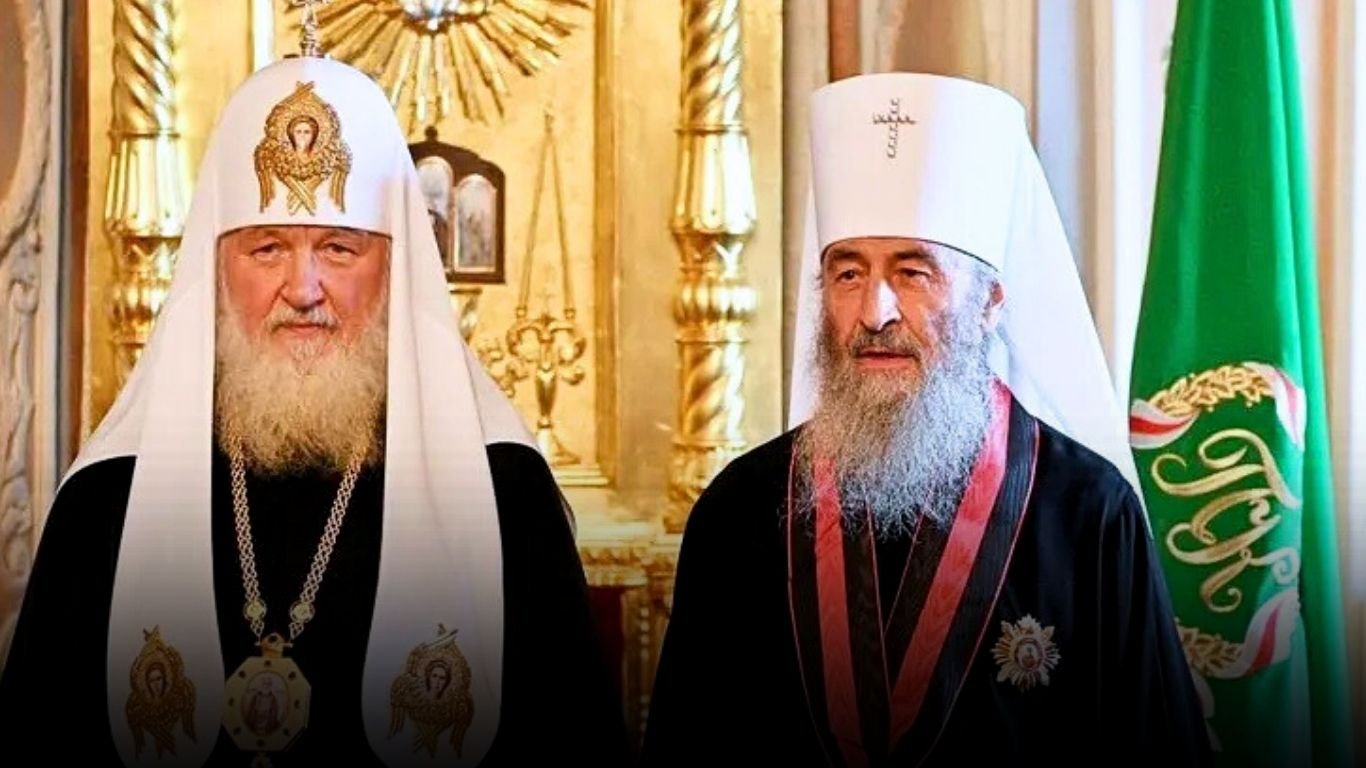
The Kremlin remains committed to its original military objectives and publicly shows no new willingness to make significant compromises to end the war against Ukraine. In particular, Russia insists on the protection of the Russian language and the rights of the Russian Orthodox Church (a Kremlin-controlled instrument of influence) in Ukraine.
This was reported by ISW (the Institute for the Study of War).
Analysts argue that the Kremlin is pressing for the elimination of the “root causes” of the war as part of a “peace plan,” including the alleged “discrimination in Ukraine against the Russian-speaking population and the Russian Orthodox Church.”
ISW, citing Bloomberg, notes that Putin received a draft peace plan in early January 2025 from the lead negotiator Kirill Dmitriev, and that “Russia’s position remains fundamentally unchanged, as Kremlin officials have repeatedly called for a future peace settlement to address the alleged ‘root causes’ of the war, including the supposed ‘discrimination in Ukraine against the Russian-speaking population and the Russian Orthodox Church in Ukraine.’”
LF Comment:
As is well known, both full versions of Putin’s “peace proposals,” as well as each of their modified iterations since 2022, have included the protection of the Russian Orthodox Church in Ukraine as a condition. Against the backdrop of hundreds of criminal cases involving charges of high treason against clergy of the Russian Orthodox Church in Ukraine, their refusal to sever ties with Moscow, and their ongoing opposition to the State Service of Ukraine for Ethnopolitics and Freedom of Conscience, it becomes clear that Moscow’s interest lies in preserving the structures of its patriarchate in Ukraine. This would allow it to maintain both bases for future sabotage groups and agents of Russian influence. The Kremlin’s stated “conditions for peace” demonstrate how high a priority it places on preserving ecclesiastical influence in countries that fall within the scope of the Russian Federation’s imperial ambitions.