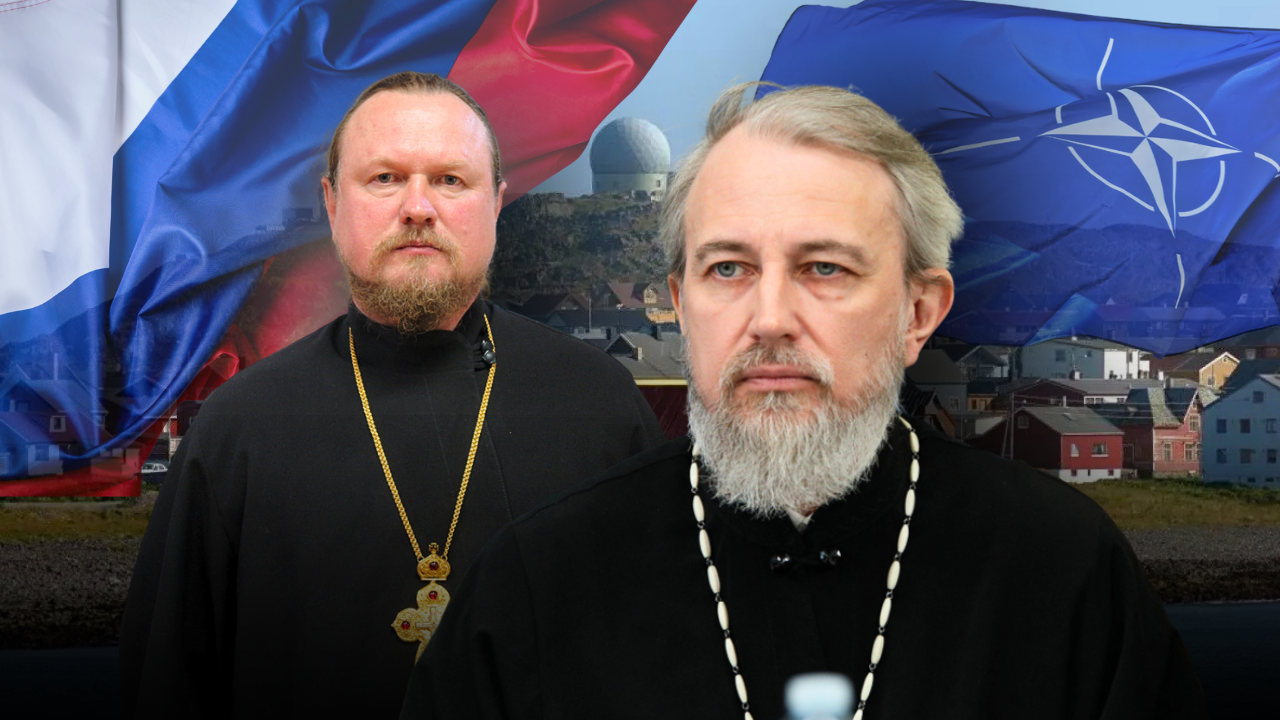
The Russian Orthodox Church (ROC) sought to construct a chapel on the Norwegian island of Vardø — in immediate proximity to a NATO radar station. Representatives of the diocese claimed the site had been “designated by God”, while local authorities and security experts viewed the initiative as a potential instrument of Russian presence in a strategically sensitive region.
Vardø is a small Norwegian island in the Barents Sea, located roughly 150 kilometres from the Kola Peninsula, home to key Russian military facilities, including the Northern Fleet’s nuclear submarine base.
The project was first proposed in 2017 by Father Aleksandr Koptev and Bishop Aleksandr Zaitsev of the Plesetsk and Kargopol diocese of the ROC.
According to the current mayor of Vardø, Tor-Erik Labahå, Zaitsev claimed he had received a “divine command” to build the chapel precisely next to the radar installation.
“Patriarch Kirill blessed the idea, and Bishop Zaitsev even pointed to the exact spot — in immediate proximity to the radar station. During negotiations, the Russian cleric told Norwegian officials that the choice of location had supposedly been ‘dictated to him by God’,’’ says Mayor Labahå.
The project was initially presented as a modest chapel intended for Orthodox sailors — a symbolic gesture reflecting cultural ties between Russia and Norway. However, the plans later expanded significantly: instead of a small structure, the proposal evolved into a church up to 17 metres high. Once Norwegian authorities reviewed the revised design, the construction permit was denied.
According to Labahå and other public figures, such initiatives may represent not only religious activities but also elements of foreign-policy influence that could strengthen pro-Russian sentiment in northern Norway.
“Above all, because Russia’s pressure kept increasing. Their plans escalated into building a 17-metre church. What had appeared to be a small cultural initiative quickly turned into something far more ambitious. And Russia did not properly consult the Norwegian side,” Labahå notes.
The Role of the ROC and Security Concerns
As reported by The Barents Observer, the chapel project was viewed by some observers as part of a broader Russian strategy to maintain a presence in the Arctic region. Bishop Zaitsev has previously been criticised for participating in events supporting Russia’s so-called “special military operation”. He maintained that the church-building initiative in Norway had been blessed by Patriarch Kirill and held significant importance for the Russian Orthodox Church.
Security experts argue that creating a site associated with the ROC in close proximity to NATO military infrastructure could establish a form of permanent symbolic Russian presence in a sensitive location. The initiative, they suggest, would fit into a wider pattern of Russian outreach based on religious and cultural ties — and, potentially, the use of such structures for gathering intelligence in the Kremlin’s interests.