On 10 February Roskomnadzor announced tighter restrictions against Telegram and declared its upcoming blocking, citing the messenger’s systematic failure to comply with Russian legislation.
The campaign against Telegram threatens to create problems for the Russian Orthodox Church. Because of the blocking of the messenger, the network of church channels, whose audience numbers in the hundreds of thousands, may lose a large share of its readers, the Telegram channel Mozhem Obyasnit reports.
The authors are protesting and demanding that the platform be preserved, as until recently it helped them achieve their propaganda goals.
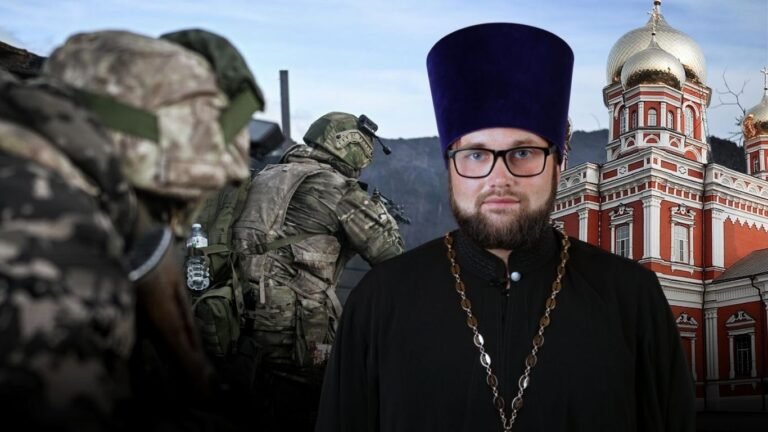
There are dozens of church themed channels on Telegram with hundreds of thousands of subscribers. The largest of them regularly defend the interests of the Moscow Patriarchate and support the war. Ultrapatriotic priest Andrey Tkachev, the author of the slogan “Za Veru,” has 290,000 subscribers. Pro government priest Pavel Ostrovsky, known as the “online batyushka,” has 240,000. The channel of the church TV network Spas, which operates on budget funding, has 90,000.
The pro Kremlin channel “Tot Samy Olen” wrote, “The Russian pro government segment of Telegram is our real and only soft power.” The text by “Olen” was reposted by Metropolitan Leonid of the Russian Orthodox Church.
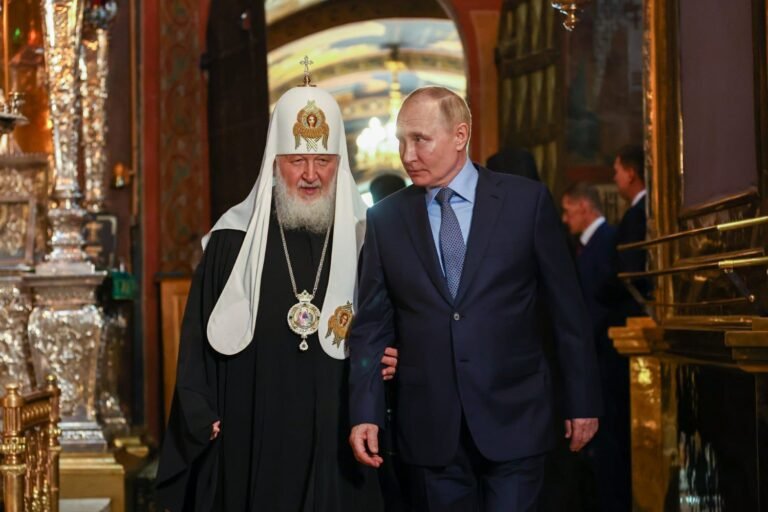
Senior hierarchs of the Russian Orthodox Church have not yet commented on the blocking of the messenger, but they are also displeased with the situation. The Patriarchate has numerous official Telegram channels. The Military Department of the Moscow Patriarchate publishes reports on the work of priests at the front. The press service of the Patriarch of Moscow reports on the Patriarch’s trips and his meetings with officials. The Department for External Church Relations writes about the Russian Orthodox Church’s projects abroad. In addition, Telegram hosts channels of dozens of other church departments and dioceses.
According to MTS AdTech, Telegram’s audience in Russia grew to 105 million people in November, whereas in October it was used by 91 million residents of the country. The surge occurred amid the slowdown of WhatsApp, which was fully blocked in Russia on 11 February.
As LF previously reported, in September 2025 a new digital product was introduced in Russia, the messenger “Zosima,” positioned by its developers as an “Orthodox means of communication.” Representatives of the Russian Orthodox Church actively support the project, pointing to the need for proprietary platforms amid restrictions on foreign services.
However, the privacy policy of “Zosima” reveals another side. Registration requires authorization through the state portal Gosuslugi, which automatically links users to the Russian system of state control. In addition, the application requests an extensive array of data, from passport details and addresses to information about income and military service.