If current trends continue, by 2066 about half of all the world’s Catholics could be living in Africa. African churches will play a key role in shaping the morals and politics of global Catholicism and possibly of African societies themselves.
This is stated in an article by The Economist.
In light of these factors, Pope Leo XIV will visit Africa on April 13. This will be his first major foreign tour since his election. The world’s youngest continent is becoming an obvious priority for the new pontiff.
His predecessor, Pope Francis, had strained relations with leaders of African Catholics, who defended more conservative positions in liturgy and in attitudes toward same-sex couples.
Leo, unlike Francis, spent considerable time in Africa before his election and has already partly eased the concerns of traditionalists. Last year he reaffirmed the traditional teaching on marriage and the family.
The transformative potential of African Catholicism begins with demography. About a century ago, Africans made up only around 1% of the world’s Catholics. By 2025, according to the World Christian Database, there are about 270 million Catholics in Africa, a 140-fold increase. Now roughly one in five Catholics lives on the continent.
Africa has become a crucial source of personnel for the Church. In 2023, the number of priests worldwide was declining, while in Africa it grew by nearly 3%. The same applies to seminarians. African missionaries are spreading across the globe.
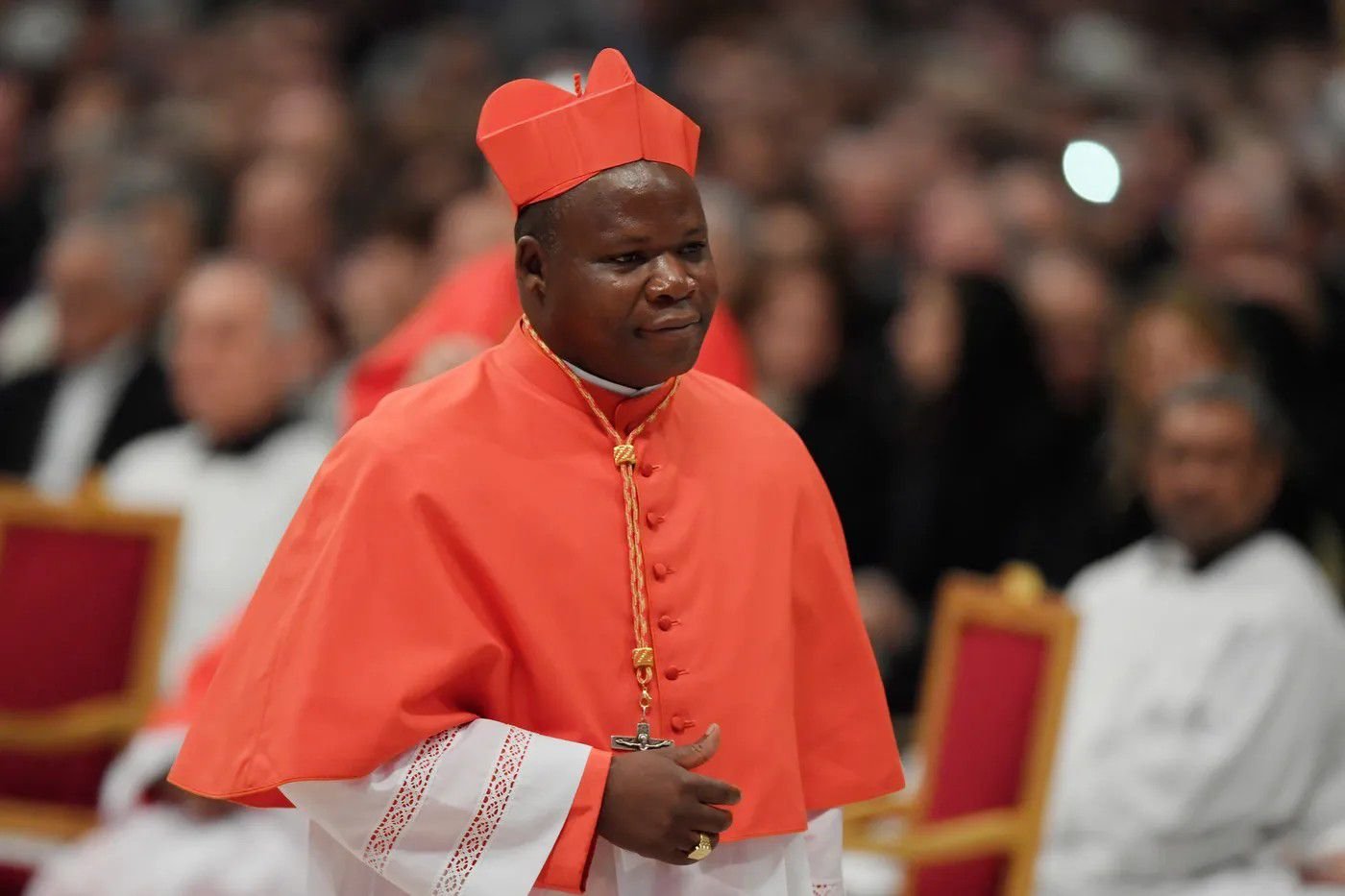
However, this influence is not yet fully reflected in the Vatican. Africans account for only about 12% of the cardinals who take part in electing the pope.
Nevertheless, the situation may change. Congregations such as the Salesians of Don Bosco are promoting stronger African representation. Many believe the next pope could be African.
The continent’s Catholic leaders are among the most conservative in the world. This became especially evident in 2023, when the Vatican allowed priests to bless same-sex couples, while stressing that this is not equivalent to marriage. The discontent of African bishops was so strong that they were effectively allowed not to implement this decision.
The activism of African Catholics is also visible in the public sphere. They promote “family values,” oppose abortion, and support laws against homosexuality. At times this leads to tension with the Vatican and to closer ties with other denominations, such as Pentecostals.
In Africa, “the Church is politics,” says Ugandan theologian Emmanuel Katongole. In Congo, bishops have long acted as mediators between warring sides, monitored elections, and supported pro-democracy movements. As democracy weakens in many African countries, the Catholic Church remains an important pillar.