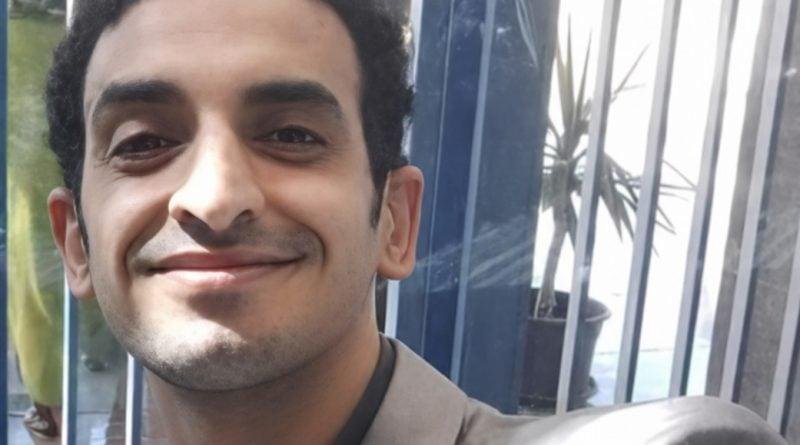
In Egypt, scholar and Christian blogger Augustinos Samaan has been convicted over an online video. The court sentenced him to five years in prison with hard labor for speaking about Christianity and defending his faith on YouTube, the Christian Megaportal InVictory reports, citing ADF International.
The 37-year-old Samaan is a Coptic Christian, and his channel has more than 100,000 subscribers. In his videos, he mostly responded to questions about Christianity in a calm and academic manner, and also explained differences between Christianity and Islam, at times offering theological criticism.
The charges against him were brought under Egypt’s criminal code article on blasphemy. Authorities cited “misuse of social media” and “insulting religion.” These formulations in the country are often applied to statements considered offensive to Islam.
Augustinos Samaan was detained back in October 2025. He has now filed an appeal, seeking to overturn the sentence. His case is supported by the international human rights organization ADF International, which works to defend freedom of religion.
Representatives of the organization say that punishment for the peaceful expression of religious beliefs constitutes a violation of fundamental human rights. According to them, a person should not face criminal prosecution simply for sharing their faith online.
Human rights advocates believe that Samaan’s case is not an isolated one. Since August 2025, dozens of people in Egypt have been detained for social media posts on religious topics. Among them are young users, converts, and participants in religious discussions.
Also noted is the case of Christian Abdulbaqi Said Abdo, who was likewise imprisoned for posts in a Facebook group. Later, with the support of human rights defenders, he was released and was able to leave the country.
Christians make up approximately 10 to 15 percent of Egypt’s population. However, according to various organizations, they continue to face discrimination, violence, and legal persecution. Although the country’s constitution formally guarantees freedom of religion, blasphemy laws remain actively enforced.