In Russia, against the backdrop of war and economic hardship, public demand for social justice and a left-wing agenda is growing, yet the political field remains tightly controlled by the state.
Left-wing bloggers such as Andrei Rudoi attract millions of views on the blocked YouTube platform, Gen Z leftists organize campaigns to introduce a luxury tax on the ultra-rich, and small radical groups of Marxist-Leninists, Trotskyists, and Maoists have become some of the most active advocates for a free internet.
This is reported by the outlet Novaya Gazeta.
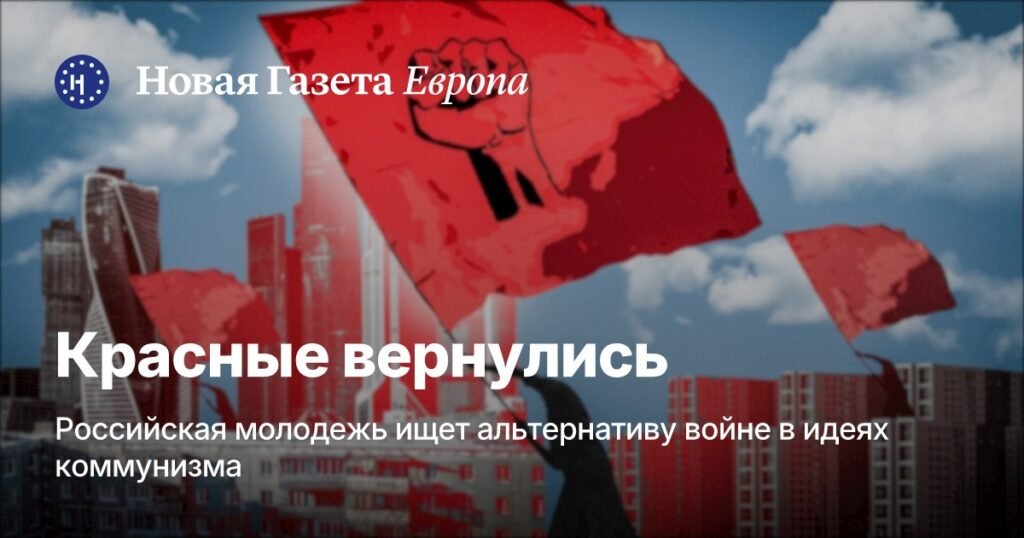
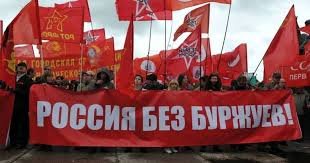
The leader of the Communist Party of the Russian Federation, Gennadii Zyuganov, recently warned of the risks of a repeat of the events of 1917, but the party itself, according to experts, has long been integrated into the state system and does not seek real transformation.
Against this background, independent left-wing movements are gaining momentum in the country, ranging from Marxist circles to anarchist initiatives and trade union structures. Many of them oppose the war and social inequality, which leads to criminal prosecutions and bans.
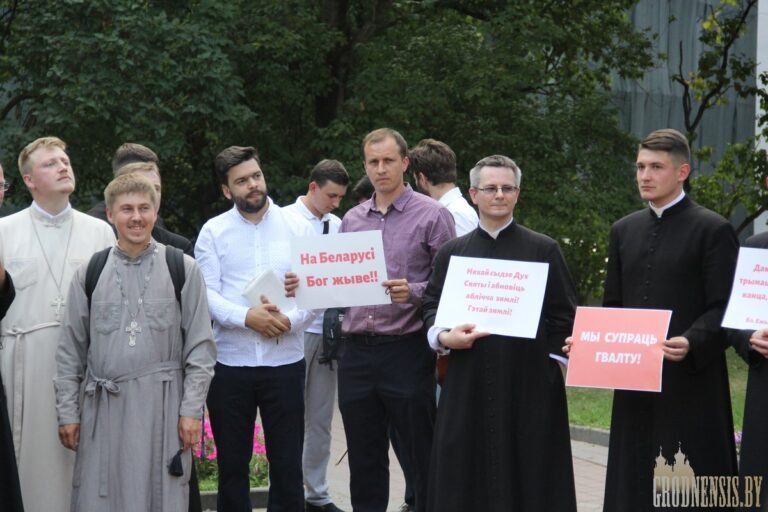
Experts note that the growing popularity of left-wing ideas is linked to disillusionment with the current model of the state, where a combination of nationalist rhetoric and conservative values is strengthening, including the active use of a religious agenda.
The authorities increasingly rely on traditionalism and religious narratives as tools of legitimation, while simultaneously suppressing alternative ideological projects, including secular and socially oriented ones.
As a result, a paradoxical situation is emerging: despite rising social discontent and interest in left-wing ideas, real political opportunities for their expression remain крайне limited.
Afterword:
A state that increasingly appeals to religion and “eternal values,” while simultaneously justifying violence and war, inevitably encounters an internal contradiction. When sacred rhetoric is used to legitimize killings and repression, it loses moral authority and ceases to perform its educational function.
In such a situation, religion turns from a source of ethics into an instrument of politics, and it is precisely this that alienates part of society, especially the youth. Finding no answers within official ideology to questions of justice, equality, and the future, people turn to alternative systems of thought. In the Russian context, one such alternative once again becomes left-wing ideas, including communism, which offers a clear language of social justice and a critique of inequality.
Thus, the attempt to combine religious rhetoric with the practice of violence not only fails to strengthen society, but also pushes part of it to seek opposing, often radical, ideological orientations.