The state must respect freedom of religion, but it cannot tolerate subversive activities against the Republic of Moldova.
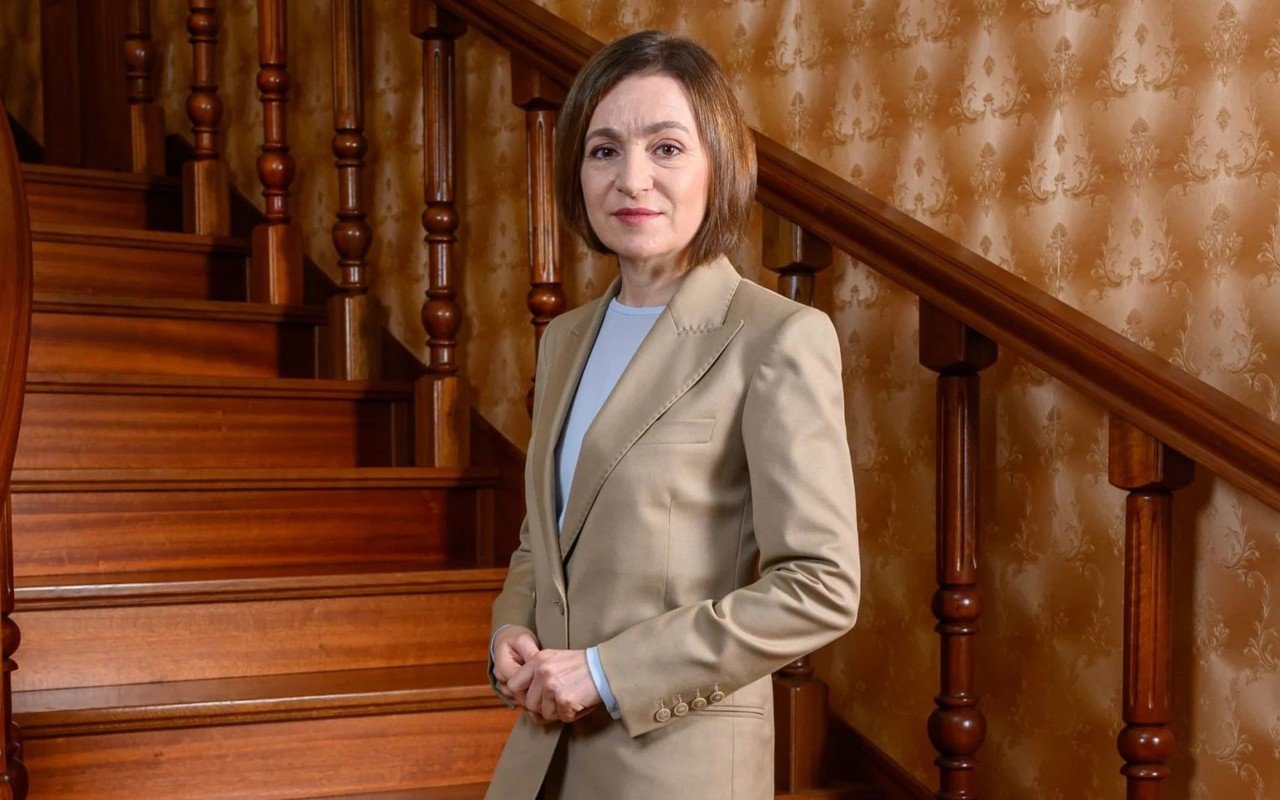
This was stated by Moldovan President Maia Sandu in an interview with ZdG.
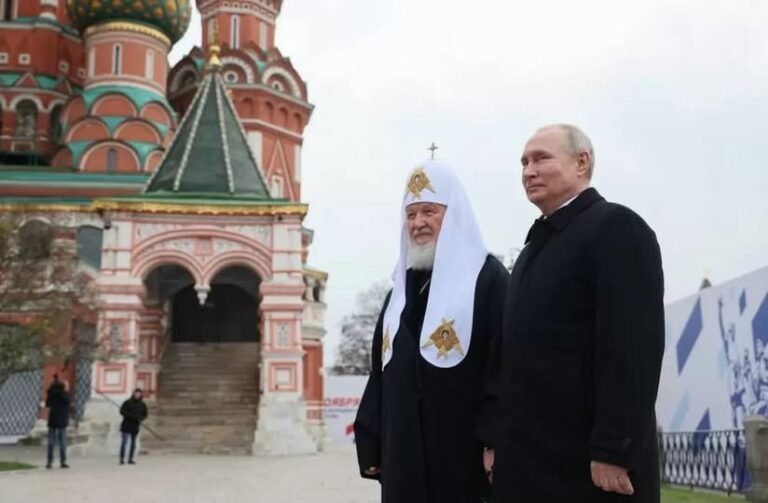
Answering a question about why many communities in the country are still controlled by Moscow, she said that the church is one of the most important channels of Russian influence in the Republic of Moldova.
“The Soviet authorities destroyed the church, but at the same time managed to infiltrate the structures they did not completely eliminate. There are priests who do not support the Russian Federation, but there are also people who use the church to promote Moscow’s interests,” the president said.
According to her, the state cannot tolerate subversive activities against the Republic of Moldova.
“The state must respect freedom of religion, but it cannot tolerate subversive activities against the Republic of Moldova. Much depends on the people. When people demand that priests do nothing other than what their faith and the church require, it becomes harder for these agents of Moscow to do what Moscow demands of them,” Sandu said.
She also stressed that Russia continues to harbor expansionist ambitions.
“As long as the war in Ukraine continues, there are risks for the Republic of Moldova as well. I think Russia will focus primarily on hybrid warfare, since these methods are more effective and less costly,” the Moldovan president said.
As LF reported, Russian authorities are using the mass bribery of voters and local priests of the Russian Orthodox Church in an effort to establish control over Moldova. According to the investigation, priests of the Russian Orthodox Church serving in Moldova were hired, in particular, for propaganda purposes.
As LF reported, more than 800 churches in Moldova classified as historical monuments may return to state ownership. These are churches belonging to the Metropolis of Moldova, which is part of the Russian Orthodox Church. This was stated by Culture Minister Cristian Jardan.
In Moldova, the Liberal Party called on parliament to adopt a law requiring the Metropolis of Moldova and Chisinau of the Moscow Patriarchate to permanently sever ties with the Russian Church. Otherwise, the party argues, the religious organization should be outlawed because it is an instrument of influence of the Russian Federation.
Earlier, we reported that the Russian Orthodox Church had once again claimed that “the authorities of Ukraine, Moldova, Estonia, Latvia, and Lithuania are putting pressure on canonical church structures”.
Will the Russian Orthodox Church manage to preserve its ecclesiastical influence in Moldova by distorting the information space and changing the country’s political course? LF’s analysis of the issue is available at the link.