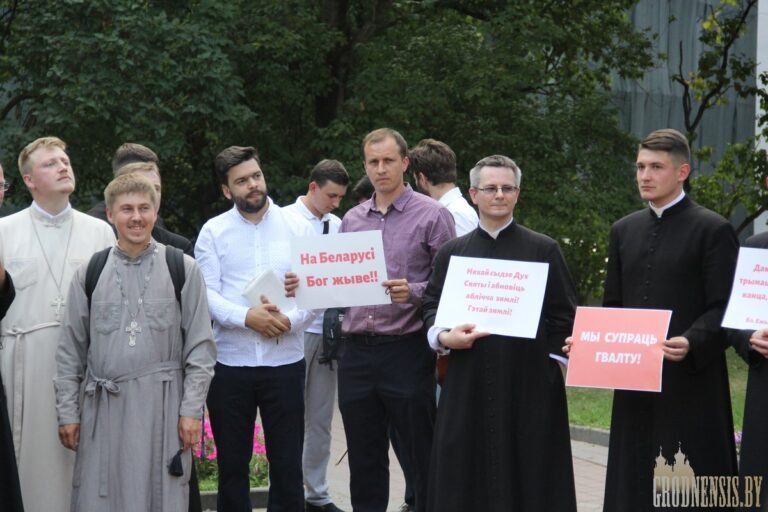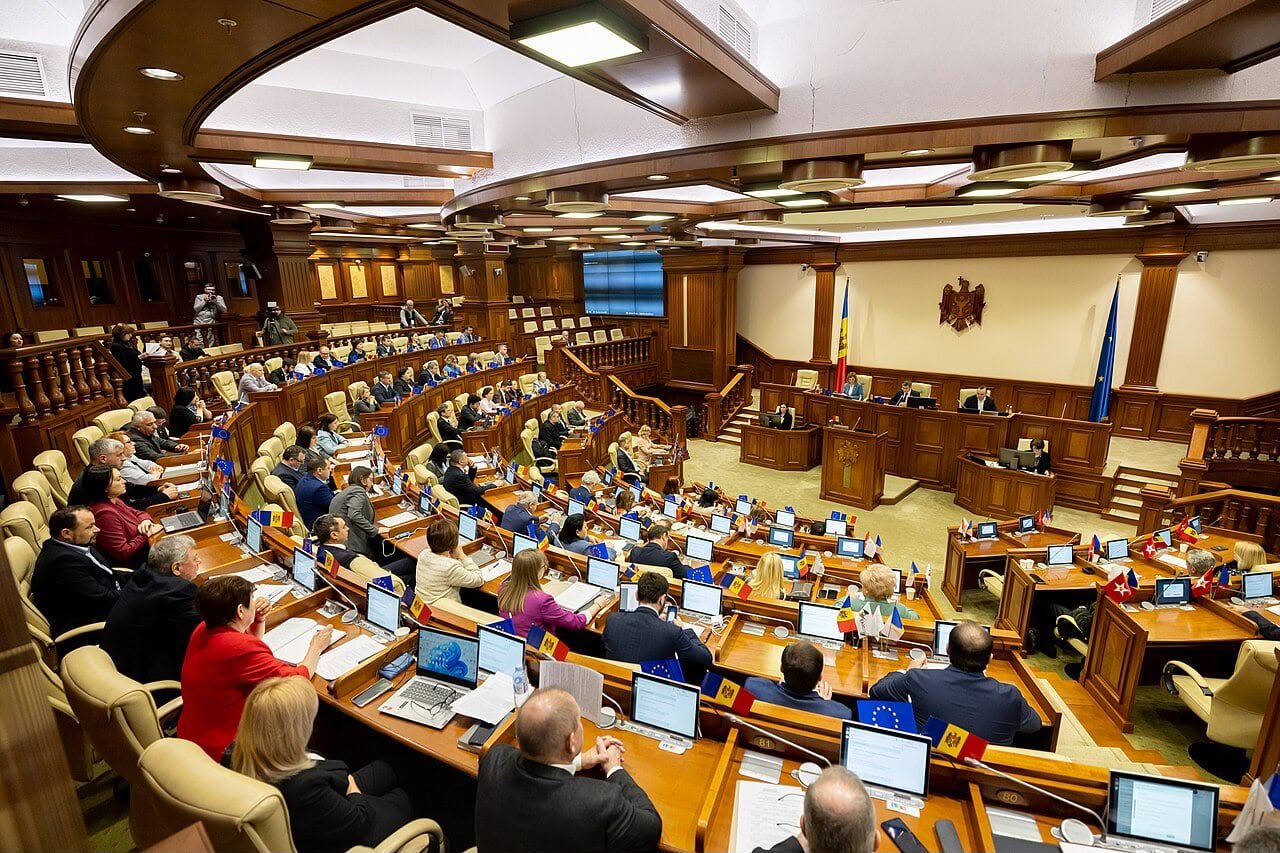
In Moldova, the Liberal Party is calling on Parliament to adopt a law requiring the Metropolis of Moldova and Chișinău (Moscow Patriarchate) to permanently sever its ties with the Russian Orthodox Church. Otherwise, the party argues, the religious organization should be declared illegal because it serves as an instrument of influence for the Russian Federation.
This was reported by Cotidianul.
A public statement says that the Republic of Moldova is facing threats to its security in the context of the war in Ukraine and the continuing Russian influence in the region.
“We ask the Parliament of the Republic of Moldova to permanently sever the ties between the Metropolis of Chișinău and the Moscow Patriarchate. Otherwise, it should be declared illegal. In the context of the Republic of Moldova’s European integration process, we ask Parliament to adopt a law obliging the Metropolis of Chișinău to permanently distance itself from the Russian Orthodox Church. Otherwise, this institution should be declared illegal because it represents an instrument of foreign influence and a direct threat to national security,” the Liberal Party’s statement says.
The authors of the initiative refer to the experience of Estonia, where a law was adopted requiring the local Orthodox Church to end its subordination to the Moscow Patriarchate.
“The Republic of Moldova should follow this example. The Liberal Party reminds the public that Patriarch Kirill and the Russian Orthodox Church bless the war unleashed by Russia against Ukraine, call on Russian soldiers to kill, and legitimize military aggression. The subordination of the Metropolis of Moldova to this structure is equivalent to tolerating Russian propaganda on our territory,” the Liberal Party’s statement says.
The Liberals also claim that the recent scandals directed against the Metropolis of Bessarabia are not accidental. They are part of a discrediting campaign aimed at preventing the development of a religious structure independent of Moscow.
As LF previously reported, Russian authorities used foreign religious bloggers to interfere in Moldova’s parliamentary elections. The Russian intelligence operation, codenamed “Matushka,” was carried out through structures linked to the Russian Orthodox Church.
Earlier, we reported that the Russian Orthodox Church once again claimed that there was “pressure from the authorities of Ukraine, Moldova, Estonia, Latvia, and Lithuania on canonical church structures.”
As LF reported, more than 800 churches in Moldova classified as historical monuments may return to state ownership. These are churches belonging to the Metropolis of Moldova, which is part of the Russian Orthodox Church. This was stated by Minister of Culture Cristian Jardan.
Will the Russian Orthodox Church succeed in preserving its influence in Moldova by distorting the information space and altering the country’s political course? LF’s analysis of this issue is available via the link.