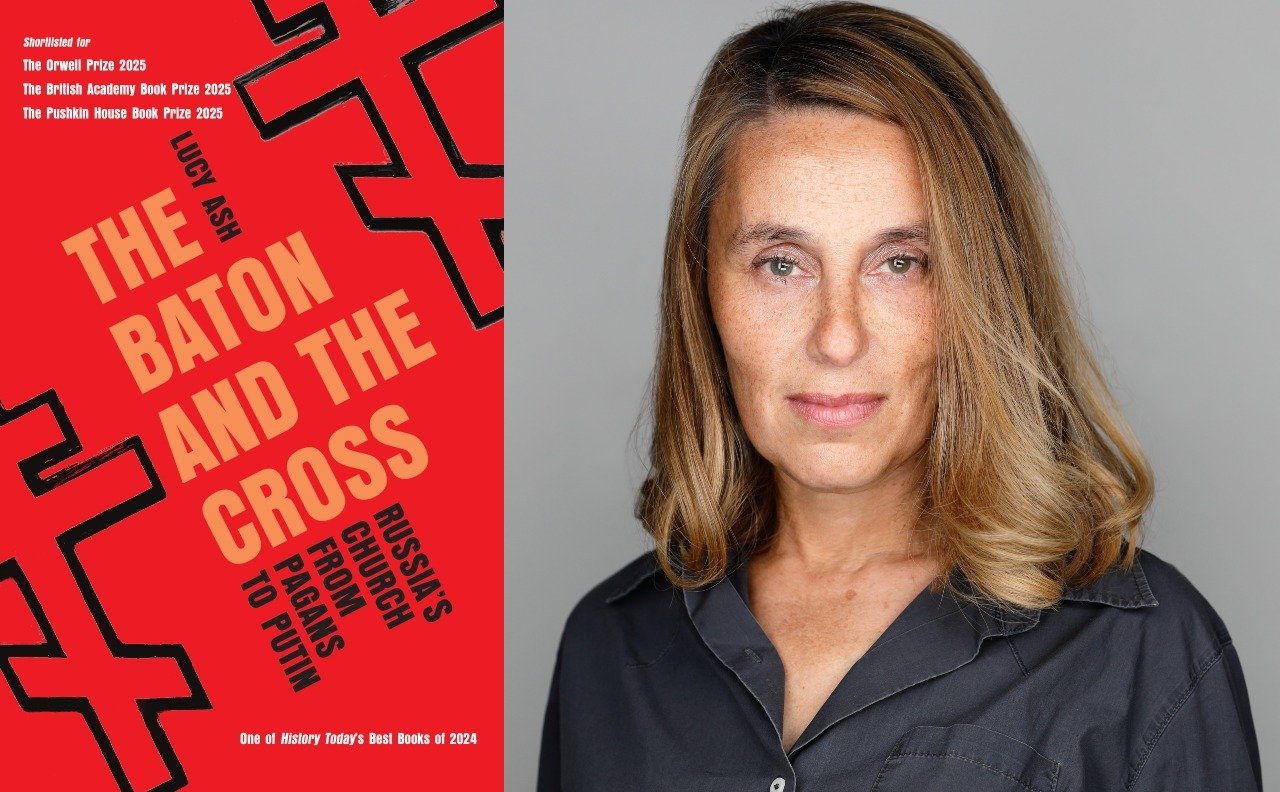
The Russian Orthodox Church has become one of the instruments for expanding Russia’s presence in Africa, journalist Lucy Ash argues in an article for The i Paper. “Since 2021, the Russian Orthodox Church has established 350 parishes in more than 30 African countries,” she notes in her analysis of Moscow’s political and religious influence across the continent.
Journalist Lucy Ash, writing for the British publication The i Paper, examined Russia’s efforts to strengthen its presence in African countries and across the Global South amid the ongoing war against Ukraine.
According to the author, Russia views Africa as a region where it can expand its influence at a time when Western countries are reducing their level of engagement. Unlike China, which focuses on infrastructure and economic projects, Moscow relies primarily on security cooperation, arms supplies, military structures, as well as religious and cultural initiatives.
Particular attention in the article is given to the activities of the Russian Orthodox Church in Africa. Lucy Ash cites the example of an Orthodox priest from Migori County in Kenya who transferred from the jurisdiction of the Patriarchate of Alexandria to the African Exarchate established by the Moscow Patriarchate. According to the priest, after the transfer his parish received funding for a kindergarten named after the Holy Right-Believing Prince Alexander Nevsky.
The journalist notes that since 2021 the Russian Orthodox Church has established hundreds of parishes in more than 30 African countries. In her view, church structures have become one of the instruments for strengthening Russia’s presence on the continent alongside cultural centers and humanitarian projects.
The article also examines the recruitment of citizens from African countries to participate in the war against Ukraine. The author cites data from a Swiss research group, according to which Russia had recruited approximately 1,400 citizens from 35 African countries by the beginning of 2025. Some are said to have signed contracts voluntarily, while others were reportedly attracted through advertisements for civilian jobs and later entered into military agreements.
Lucy Ash also cites the opinion of Ukrainian communications specialist Dmitry Rayskyi, who argues that foreign recruits are often deployed to the most dangerous sections of the front line.
Beyond Africa, the author draws attention to the information struggle in countries of the Global South, particularly in Indonesia. According to her, Russian media outlets and affiliated information projects continue to actively promote their narratives in various regions of the world.
In conclusion, the journalist argues that Russia’s ability to expand its influence abroad relies heavily on security cooperation, access to natural resources, and the activities of state-linked structures. At the same time, she believes that the effectiveness of this policy is facing growing challenges both in Africa and in other countries of the Global South.