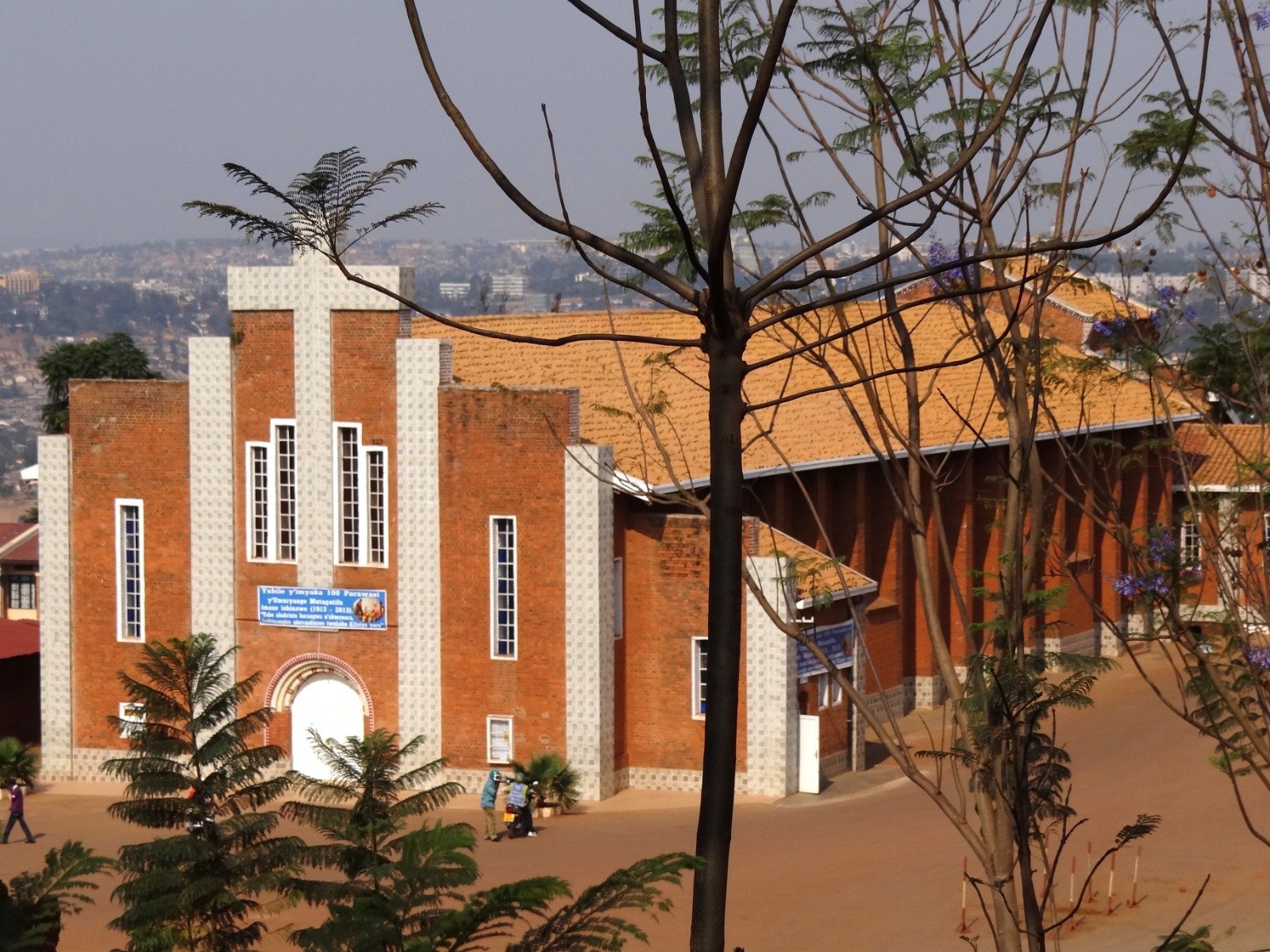
Strict regulations governing religious organisations remain in force in Rwanda, following the closure of thousands of churches in 2024. Some congregations have moved their services online, while others are still unable to resume worship in their buildings.
This was reported by the news portal inVictory.
According to Connexion, the inspections were prompted by legislation regulating the activities of religious organisations.
Churches must comply with fire safety requirements, sanitation standards and other building regulations. Pastors and representatives of religious organisations are also required to hold a recognised university degree in theology or another degree accompanied by at least 1,200 hours of documented theological training.
In November 2025, Doris Uwicyeza Picard, head of the Rwanda Governance Board, informed parliament that 9,171 places of worship, including churches and mosques, had been closed for failing to meet regulatory requirements. However, the authorities emphasise that the closure of a building does not automatically mean that the religious organisation must cease operating. Congregations can apply to reopen their premises once the violations have been remedied.
The strict regulations have proved particularly challenging for small independent and Pentecostal congregations, which often meet in rented premises, tents or private homes. Larger churches with their own buildings and administrative structures generally have greater resources to meet the requirements.
Traditional denominations have also been affected. According to the African Pastors Fellowship, only 23 of the 239 churches in the Anglican Diocese of Kigeme remained open following the introduction of the restrictions. Bishop Assiel Musabyimana warned that the inability to hold Sunday services also affects congregations’ capacity to sustain their activities.
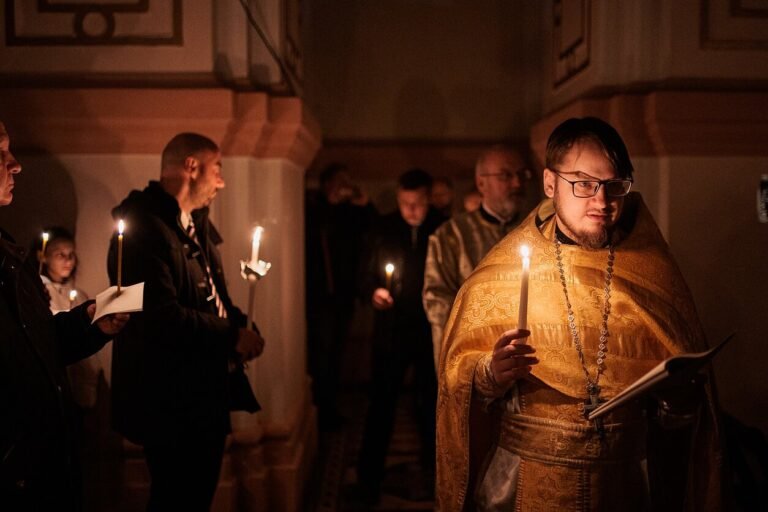
Meanwhile, the restrictions have disrupted established patterns of church life. Some congregations have switched to holding services via Zoom, YouTube and Google Meet. However, online worship does not always allow them to maintain the same level of participation among believers.