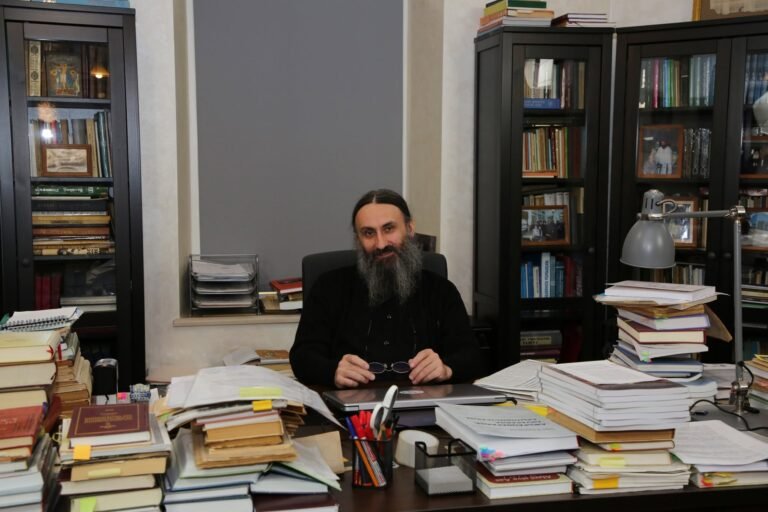
In a recent high-profile interview, former rector of Moscow’s Church of the Life-Giving Trinity in Khokhlakh, Aleksey Uminskiy, now serving in Paris, disclosed details of interaction between hierarchs of the Russian Orthodox Church and Soviet and Russian security services. According to the priest, during the Soviet period cooperation with state security bodies was not episodic but total in nature.
“The entire episcopate without exception was under pressure from the KGB”
Uminskiy asserts that in the USSR there were no bishops who could avoid contact with the KGB. The Church was under extreme pressure and constant surveillance. Hierarchs were summoned for special conversations to the committee located in Neopolimovskiy Pereulok, where all discussions were recorded.
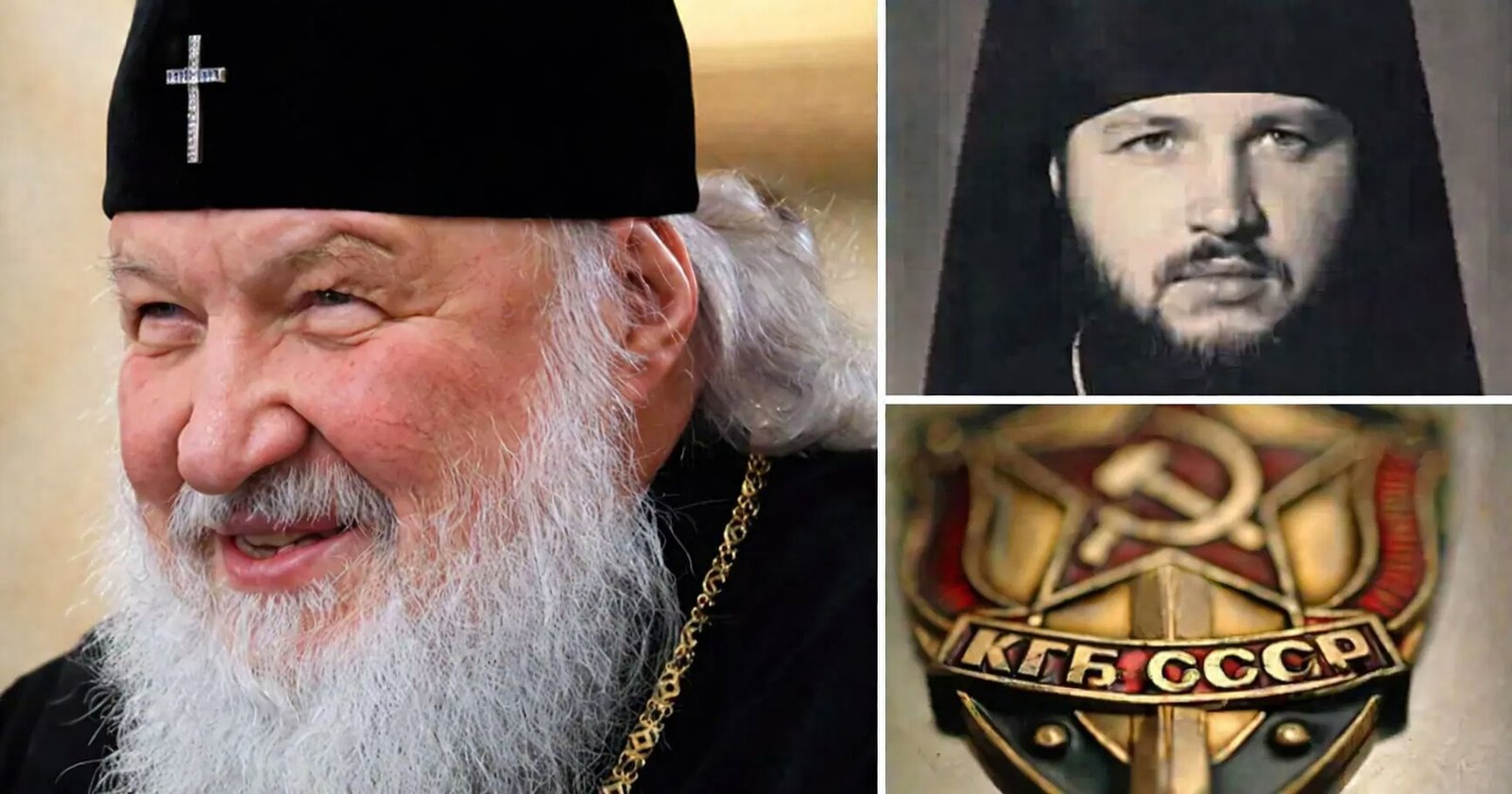
Uminskiy’s most striking statement was his mention of operational names, or code names, assigned to senior clergy:
“They all had these operational names. Patriarch Kirill, I think, was Agent Mikhaylov… And Metropolitan Pitirim was Agent Abat… That is, the entire episcopate in the Soviet Union without exception.”
Uminskiy named Metropolitan Mikhail Mudyugin as the sole exception to this rule, describing him as “the most honest, the purest and the poorest bishop.”
Recruitment methods: personal experience
The priest also shared his own encounter with the system. In the mid-1980s, as a student, he came under KGB scrutiny due to possession of prohibited religious literature and contacts with foreigners. Uminskiy said that on the advice of his spiritual father he chose a tactic of “playing the fool,” responding to recruiters’ calls with irony and pretending to take them for pranks by friends. After several attempts and direct threats, the security services left him alone.
The FSB and the contemporary Church
In Uminskiy’s view, the practice of interaction with the security services has not disappeared but has transformed. He notes that today the FSB continues to exert influence on internal church processes, using the administrative resources of the Patriarchate itself.
In particular, this became evident during protests in Moscow, when priests signed open letters against political repression:
“The FSB acted through bishops or through deans in order to influence priests who were signing these letters.”
The Russian Orthodox Church as an “agent of war”
Uminskiy also addressed the current political role of the Church. He stated that the Russian Orthodox Church actively supports military actions in Ukraine and participates in propaganda, as a result of which on the international stage and in the Baltic states it is increasingly perceived not as a religious institution but as an “agent of war.”
He described his own suspension and defrocking, which followed his anti-war stance, as an act carried out by the leadership of the Russian Orthodox Church “with particular cynicism” to demonstrate complete unanimity within the structure.
The material is based on information from an interview with Aleksey Uminskiy on the “vDud” channel, 2026.