Ten years ago, an event of major importance for the entire Orthodox world took place, the Holy and Great Council of the Orthodox Church in Crete. Its convocation was intended to demonstrate the ability of the local Orthodox Churches, despite their differences, to act in a conciliar manner, engage in dialogue and speak with a common voice on the key issues of our time.
The significance of the Council of Crete extended far beyond church life itself. The Orthodox Churches unite millions of believers and remain influential social institutions in many countries across Europe and the world. Their ability to engage in dialogue, cooperate and resolve disagreements peacefully therefore matters to states as well, contributing to social stability, interreligious peace and efforts to prevent religion from being used to justify political confrontation and violence.
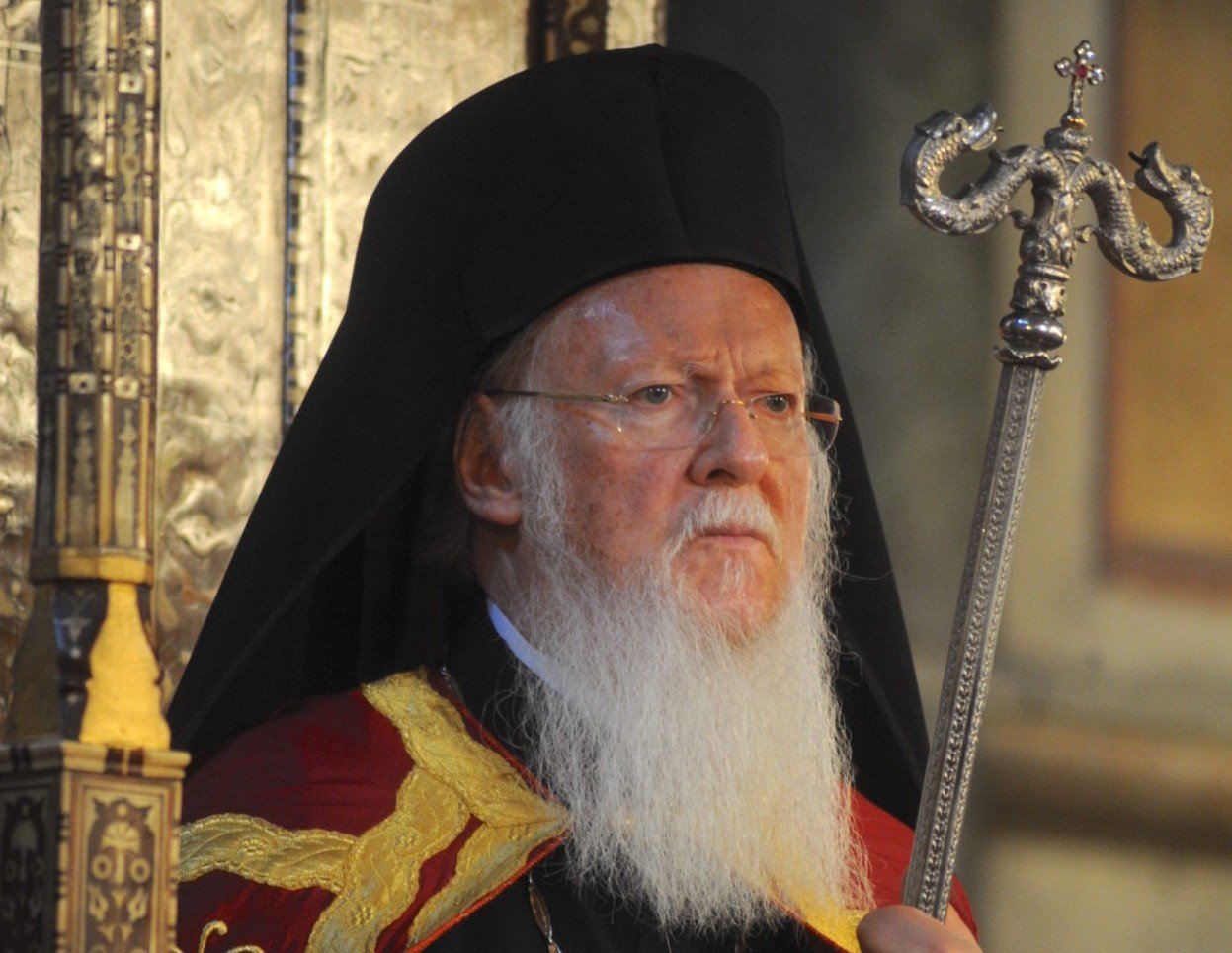
Ten years later, Ecumenical Patriarch Bartholomew reflects on the outcome of the Council of Crete.
The decision by the Patriarchates of Antioch, Russia, Bulgaria and Georgia not to participate in the 2016 Council was a test for the principle of conciliarity, but did not undermine the conciliar identity of Orthodoxy.
Ecumenical Patriarch Bartholomew said this in his address at an anniversary conference in Chantilly, France, marking the tenth anniversary of the Pan-Orthodox Council in Crete.
According to the patriarch, the decision by the four autocephalous Orthodox Churches was based on criteria unrelated to the Church. He stressed that it was obvious that some wanted the Council to be cancelled.
“There was no theological or ecclesiological reason to cancel the Council. There is no doubt that postponing its convocation would have meant its definitive cancellation. Perhaps this was precisely what some wanted and sought to achieve,” the Ecumenical Patriarch said.
In his address, he also stressed that Orthodox theology must confront fundamentalism, while “the oil of religious experience must be used to heal wounds, not to fuel the fires of military conflicts.”
“Drawing on the spirit of the Holy and Great Council, Orthodox theology must resolutely confront fundamentalism, this ‘expression of unhealthy religiosity’ that fuels intolerance and violence ‘in the name of God’ and provides powerful arguments to those who deny Him. A response to fundamentalist positions is offered by sober interreligious dialogue, which, as noted in the Message of the Holy and Great Council, contributes significantly to strengthening mutual trust, peace and reconciliation. The oil of religious experience must be used to heal wounds, not to fuel the fires of military conflicts,” Patriarch Bartholomew said.
As LF reported, Russia’s Foreign Intelligence Service issued a press release in which it claimed that Ecumenical Patriarch Bartholomew, a “devil incarnate” and “antichrist,” had “fixed his evil eye” on the Baltic states in order, with the support of British intelligence services, to “drive out Russian Orthodoxy” and impose “puppet structures.”
According to LF, the Synod of the Archdiocese of Australia of the Ecumenical Patriarchate condemned the accusations made by Russia’s Foreign Intelligence Service against Ecumenical Patriarch Bartholomew, calling them false and disgraceful.
Ecumenical Patriarch Bartholomew said in an interview with the newspaper Ta Nea Savvatokyriako that he was not intimidated by the filthy Russian slander directed against him and the Ecumenical Patriarchate, adding that it was the Russians who should fear Judgment Day, if they still believe in God.