This is discussed in a recent analytical publication on the website of the international human rights organization Human Rights Watch, which states that repression against the Uyghur population in the Xinjiang Uyghur Autonomous Region continues despite a decline in global attention to the issue.
Particular concern is raised by the state of freedom of religion. Uyghurs, most of whom practice Islam, continue to face systemic restrictions on religious life, including control over mosque attendance, pressure on religious education, bans on certain forms of public expression of faith, as well as state interference in family and community practices.
According to human rights defenders, the religious identity of Uyghurs is increasingly viewed by Chinese authorities through the lens of “extremism” and “separatism.” This allows the state to justify surveillance measures, detentions, and ideological control. As a result, traditional elements of Muslim life, from religious education to everyday cultural practices, are subjected to administrative and coercive pressure.
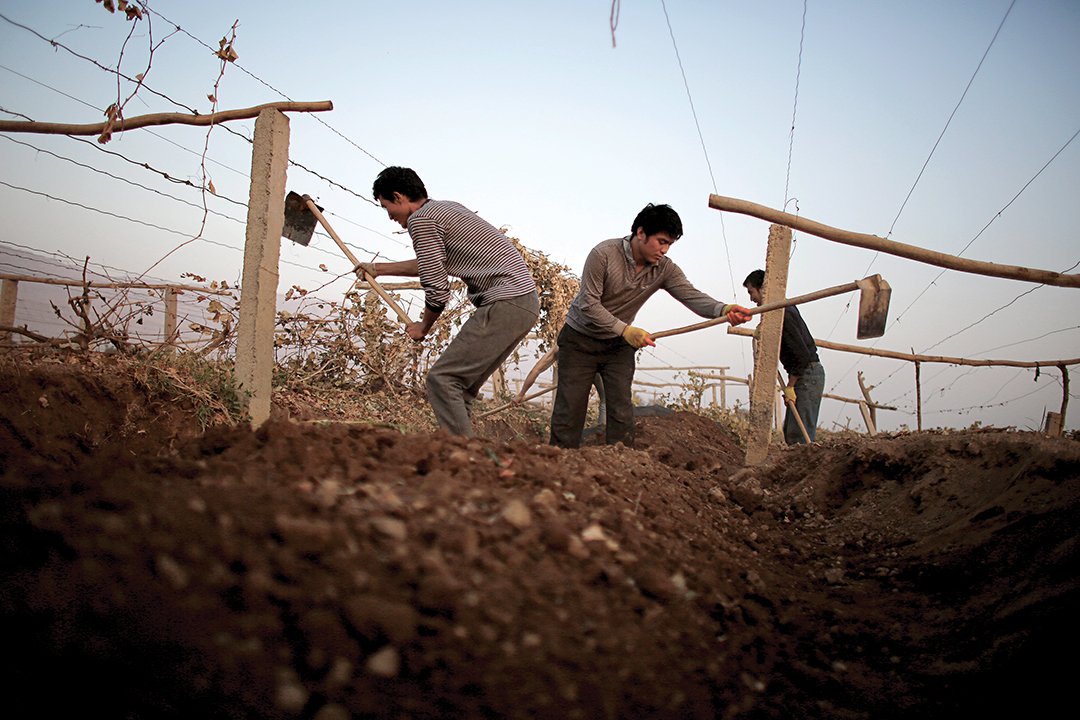
Human Rights Watch emphasizes that measures previously associated with mass “re-education” campaigns have not disappeared, but have been transformed into a more устойчивую систему контроля. This involves a combination of criminal prosecution, digital surveillance, forced labor, and restrictions on cultural and religious autonomy.
Previously, independent UN experts also pointed to signs of systemic forced labor in the region, noting that such practices may qualify as crimes against humanity. Chinese authorities reject these accusations, stating that their policy is aimed at combating extremism, maintaining stability, and promoting the socio-economic development of Xinjiang.
Human rights defenders warn that the decline in international attention does not mean an improvement in the situation. On the contrary, in their assessment, there is a gradual normalization of practices affecting fundamental rights, including freedom of religion and belief.
Background
The situation in Xinjiang attracted widespread international attention following reports of the mass internment of Uyghurs and representatives of other Muslim minorities in so-called “re-education” centers in 2017–2019. Human rights organizations, journalistic investigations, and international experts asserted that this constituted a large-scale system of forced ideological indoctrination, surveillance, and pressure on religious identity.
Chinese authorities consistently deny allegations of human rights violations, describing these institutions as vocational training centers and part of a policy to combat terrorism and extremism. However, international observers note that even after reports of mass camps declined, control over the Uyghur population was not dismantled, but was integrated into a more long-term system of governance in the region.