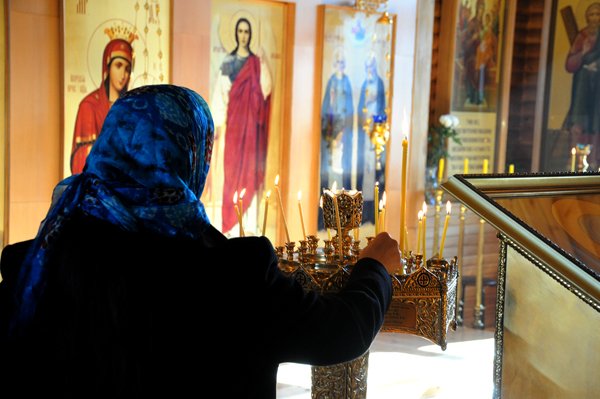
The relics of St Matrona of Moscow have been brought to Moldova.
This development warrants attention not only in a religious context but also in light of the ongoing rivalry between the Moscow and Romanian Patriarchates for influence in the country.
The veneration of relics, the bringing of miracle-working icons and appeals to religious mysticism have long occupied a prominent place in the public activities of the Moscow Patriarchate. Against a backdrop of political confrontation, such practices can also serve as instruments of public mobilisation and foster allegiance to Moscow.
We have previously reported on attempts to enlist clergy under the jurisdiction of the Moscow Patriarchate during the 2024 presidential election to prevent the re-election of Maia Sandu. Journalistic investigations revealed a link between organised trips by Moldovan priests to Russia and the spread of anti-European sentiment among believers. The Moscow Patriarchate denied that these pilgrimages were political in nature.
Against this backdrop, the bringing of the relics of St Matrona of Moscow can be viewed as another episode in the struggle for religious influence in Moldova.
As the Metropolis of Bessarabia, under the jurisdiction of the Romanian Patriarchate, seeks to strengthen its presence in the country, the distinction between Christian pastoral work and the political instrumentalisation of religion becomes particularly pertinent.
The issue lies not in the veneration of sacred relics as such, but in the use of religious authority to advance geopolitical interests.
In this context, particular attention should be paid to the recent RISE Moldova investigation “Roubles for the Altar”.
According to the published documents, dioceses, parishes and organisations across Moldova, including Gagauzia and the Transnistrian region, requested millions of roubles from Russian entities to purchase icons, religious literature and liturgical items, and to equip churches.
Funding was channelled through the Moscow House of Compatriots, a state institution used to promote Russian influence abroad.
Between 2016 and 2018, religious projects worth at least 8.5 million roubles (more than 2.5 million Moldovan lei) were approved or recorded as completed in Russian planning documents. Funding continued in 2019–2020. Bishops Markell and Savva were among the applicants.
Particularly revealing is a previously disclosed internal document from the Russian Presidential Administration. Among Moscow’s strategic objectives in Moldova through 2030, the document explicitly identifies “providing support to the Russian Orthodox Church in defending the interests of canonical Orthodoxy in the Republic of Moldova”.
These documents provide grounds for examining the activities of Moscow Patriarchate-affiliated institutions in Moldova within the broader context of Russia’s policy of exerting influence. However, no direct link has yet been established between the latest bringing of the relics of St Matrona of Moscow and the aforementioned funding programmes.