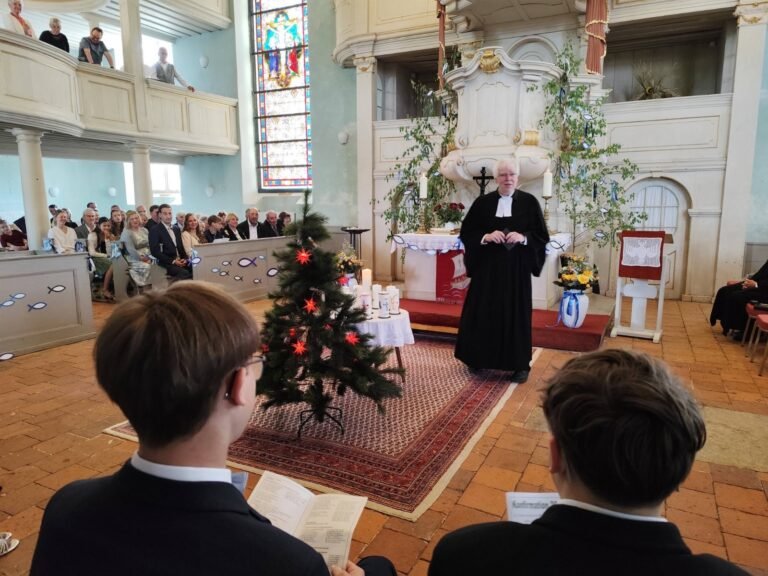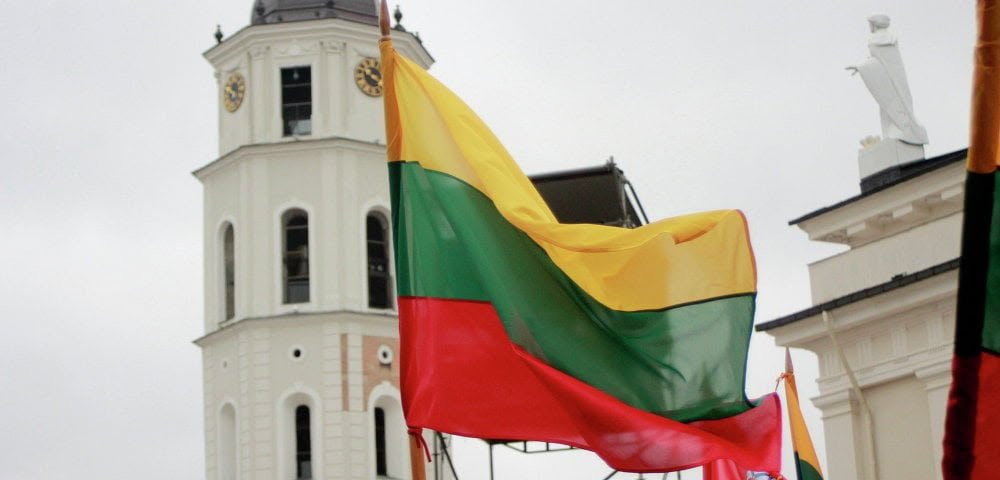
Sixty-eight percent of Lithuania’s residents trust the Church, while only 23 percent do not trust the institution.
These are the findings of the latest Baltijos Tyrimai survey, commissioned by ELTA and reported by Delfi.
During the survey, which was conducted from June 19 to June 30, respondents were asked whether they trusted each of ten Lithuanian institutions.
The highest level of trust was recorded for the Lithuanian Armed Forces. Seventy-three percent of respondents said they trusted the military, while 21 percent said they did not. Respondents also expressed a high level of trust in the Lithuanian police, with 71 percent saying they trusted the police and 24 percent saying they did not.
The survey also found that 68 percent of respondents trust the Church, while 23 percent do not.
The study was conducted through face-to-face interviews with 1,010 Lithuanian residents aged 18 and older at 108 sampling locations. The composition of respondents reflects the structure of Lithuania’s population aged 18 and older by gender, age, ethnicity, and type of place of residence.
As previously reported by LF, residents of Moldova place the greatest trust in the Church and the least trust in political parties. The Church recorded the highest level of public confidence, with more than half of respondents, 53.5 percent, saying they either “trust it completely,” 21.8 percent, or “trust it,” 31.7 percent.
As previously reported by LF, 64 percent of Lithuania’s residents trust the Church. This was reflected in the results of a Baltijos Tyrimai survey.
Earlier, we reported that according to the latest survey, the Church ranks first in public trust among Romanian citizens. According to the findings, 63.9 percent of respondents said they have a fairly high level of trust in the Church, compared with 57.7 percent recorded in July of the previous year.
Earlier, we reported that according to a new study conducted by the Danish Bible Society, an increasing number of young Danes are becoming interested in matters of faith, reading the Bible, and attending church services. The findings were presented in the report God and the Danes: Faith Analysis 2026, published in the spring of 2026. The study is based on a survey of 3,000 Danish residents and shows that religiosity among young people is significantly higher than among older generations.
As previously reported by LF, the number of believers is declining in traditionally Christian regions. These conclusions are presented in the report State of Global Christianity 2026, prepared by the Center for the Study of Global Christianity at Gordon-Conwell Theological Seminary in the United States.
A survey of more than 24,000 Christian churchgoers in the United States found that attendance at places of worship has increased five years after the pandemic. The report was prepared by Faith Communities Today as part of a project examining the impact of the pandemic on church communities.