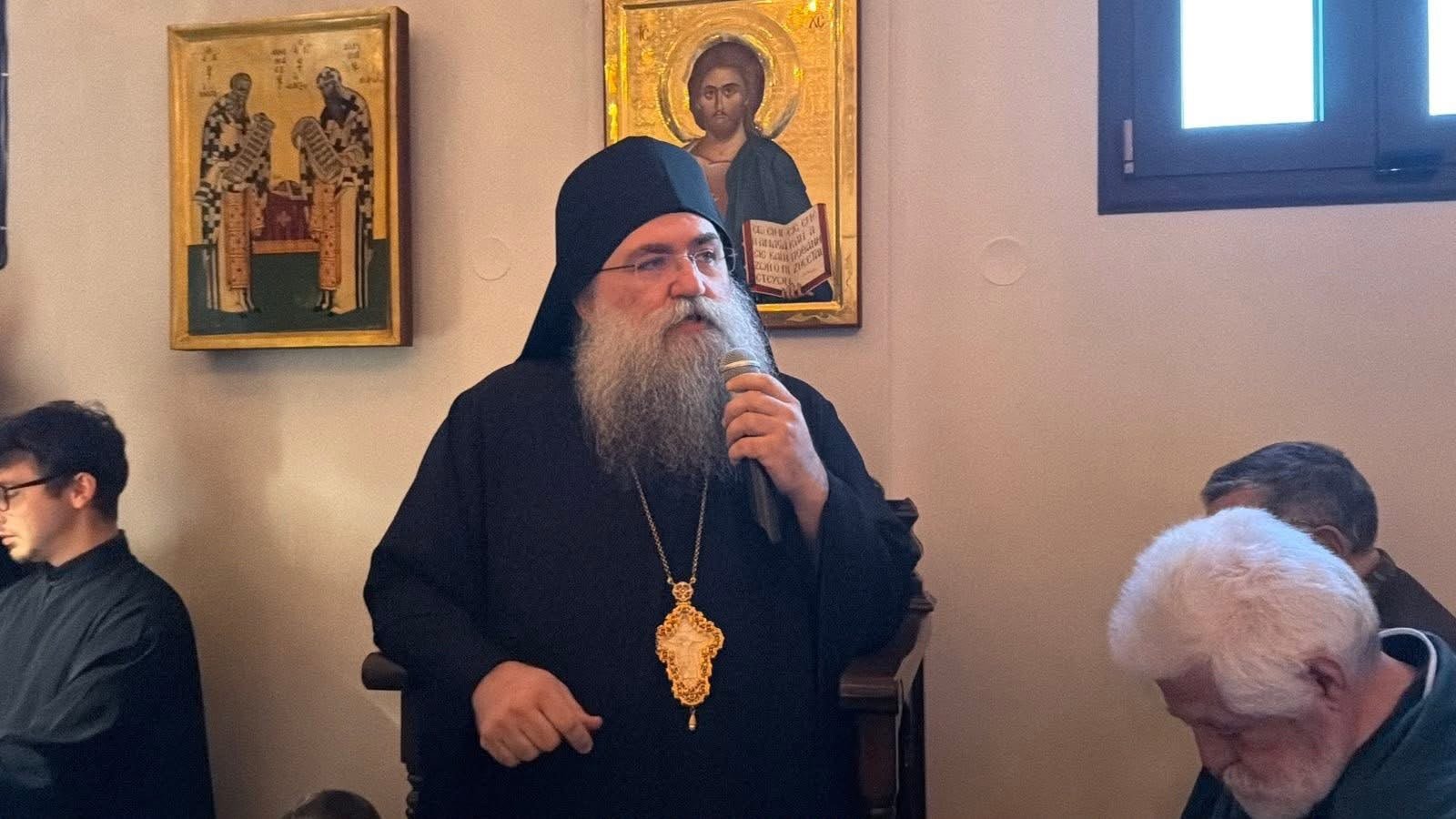
For many years, the information space was dominated by the stereotype that the Holy Mountain supposedly offered unconditional support for Russian policy, the Russian authorities, and all of Moscow’s initiatives. Yet the conflict between Moscow and Constantinople, which began in 2019, continued in 2022. Mount Athos, which falls under the jurisdiction of Constantinople, does not declare its support for Russia. That is how the situation appears from the outside. However, the opportunity to speak with Abbot Bartholomew of Esphigmenou Monastery makes it clear that this external impression matches the internal view of the monks represented by the most authoritative institution of the Eastern Church, the union of the monasteries of the Holy Mountain of Athos.
Can you tell us how Russians are regarded on the Holy Mountain today?
Russians have always had a poor reputation on the Holy Mountain. Russian propaganda has always been aimed at taking control of the whole of Athos. But the Athonite monks built a defensive wall. By the providence of the Mother of God, or through the prayers of the Athonite fathers, those expansionist ambitions that Russians have always held toward the Holy Mountain have been stopped every time.
Today, the Holy Mountain has nothing to do with Russia. It is a spiritual territory that is under the canonical jurisdiction of the Ecumenical Patriarchate. When Russia wages its struggle against the Ecumenical Patriarchate by every possible means, it is waging a struggle against us as well.
When the Patriarchate of Constantinople granted autocephaly to the Church of Ukraine, the chairman of the Department for External Church Relations of the Russian Orthodox Church instructed Russian pilgrims not to travel to the Holy Mountain. He said they had their own monasteries in Russia and should pray there and leave their money there. The only thing that truly interests them is money.
Of course, Russians are allowed to come to the Holy Mountain, but they may visit only the Russian monastery and receive Holy Communion only there.
In reality, Russia does not value the Holy Mountain at all. It uses it solely to reinforce its influence around the world. Yet even the most basic look at history shows that Russia has not achieved this goal and never will.
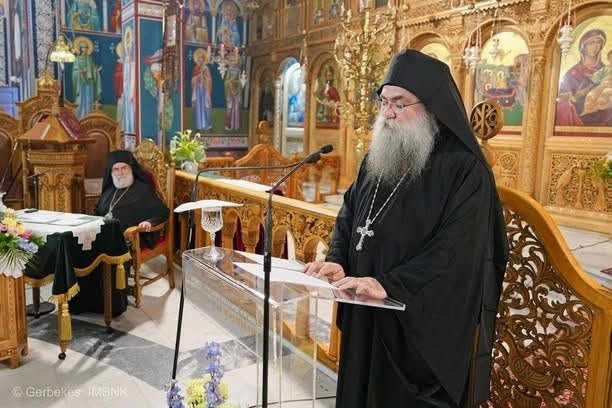
Statistics once showed that in the nineteenth century most monks on Athos were Russian. Later it was said that Greeks became the majority. Today we hear that monks come from many different European countries. What are the nationalities of the monks of the Holy Mountain today?
During a certain period in the nineteenth century, a great many Russians did indeed come to the Holy Mountain, specifically with the expansionist goal of taking possession of it. Then the October Revolution of 1917 took place. It became clear that most of the Russians on the Holy Mountain were not monks but agents. They were recalled. After the revolution, the Holy Mountain was almost completely freed from the Russian presence.
It was then that the Athonite monks took a firm stand and drew up the Charter of the Holy Mountain, defining the monasteries, their powers and jurisdiction, and the way the Holy Mountain is governed. In 1924, the Charter introduced a statutory provision. This was an achievement of the Athonite monks themselves and part of their effort to protect the Holy Mountain from the tendencies of Russian expansionism. It stated that anyone who became a monk on the Holy Mountain would automatically receive Greek citizenship. Therefore, anyone who comes to the Holy Mountain and becomes a monk is no longer Russian, Romanian, Bulgarian, Serbian, English, or French. He is a citizen of Greece. This is a provision of the Charter, which is also an article of the Constitution. Every monastery on the Holy Mountain signed this document except the Russian monastery. Exercising its voting rights, the brotherhood of that monastery voted against it. However, unanimous approval was not required for the Charter to be adopted, so it entered into force for all of Athos.
Nevertheless, the propaganda claiming that Athos is Russian continues to this day. They do not want to become Athonite monks. They want to seize Athos. They will never succeed.
There are twenty monasteries. One of them is the Russian Monastery of Saint Panteleimon. What about the others? Do they all share the same position, or are there some that oppose Patriarch Bartholomew?
Officially, everyone stands with Ecumenical Patriarch Bartholomew. Those who are against him remain silent because they are afraid. Behind closed doors, in secret, they may say different things. They do not have the courage to say openly, “I do not support him.” They are afraid and act covertly, like the devil.
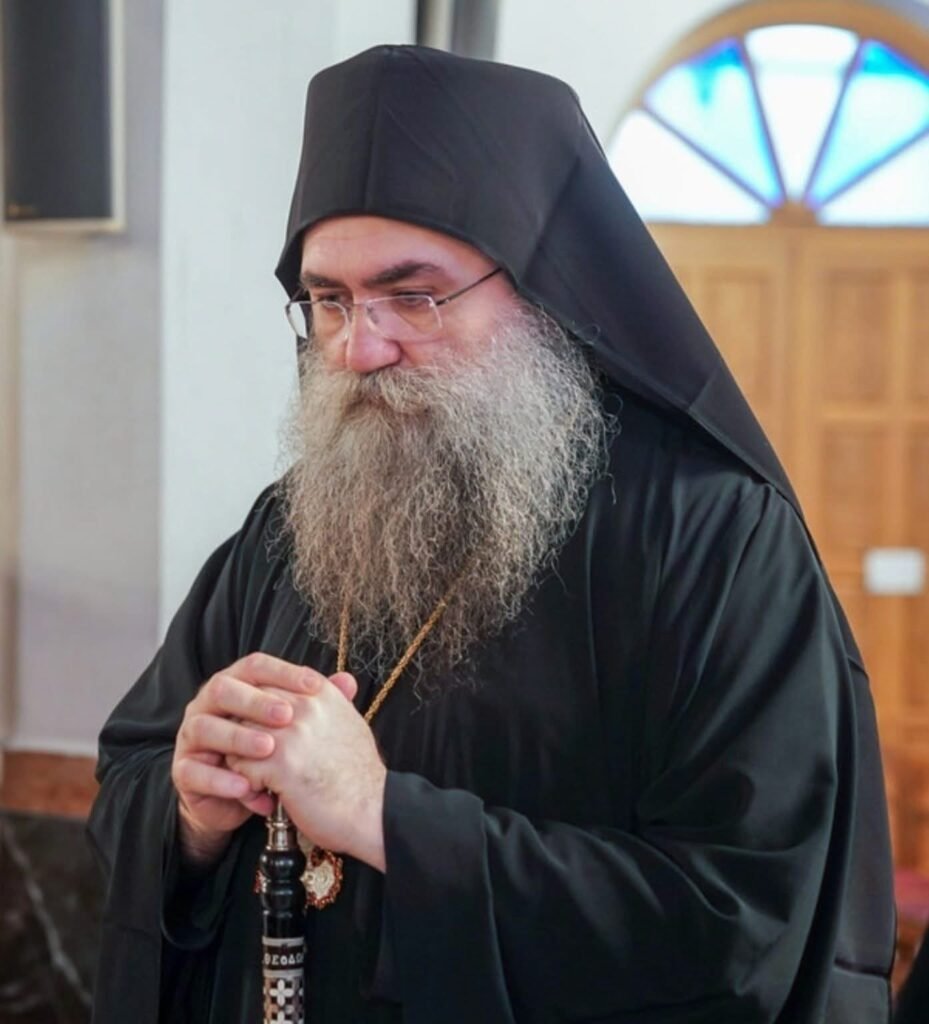
After 2018 and 2019, the leadership of the Russian Orthodox Church forbade Russian Orthodox believers from receiving Holy Communion in churches that recognized the autocephaly of Ukraine. Do Russians still come to Athos now?
Russian pilgrims do not come directly from Russia. They travel only through Serbia and Türkiye. Others come if they hold European citizenship. Their numbers are far smaller than they used to be. Today there are many more Romanian and Ukrainian pilgrims.
Has the economy of the Holy Mountain suffered because fewer Russians are coming? It was often said that Russians were the ones who provided money to Athos.
They did indeed provide money, but they wanted something in return. They wanted to control people. Yet the Holy Mountain has no problems without their money. The Holy Mountain has never been bound by money. Yes, Russians could provide financial support, but they believed they alone had the right to do so. Now others contribute, including Romanians, Ukrainians, and Greeks. The European Union also provides funding to the Holy Mountain through its funds.
Is there a danger that Russians could come to the Monastery of Saint Panteleimon, take monastic vows, obtain Greek documents, and then actively campaign against Constantinople in support of Moscow and the “Russian World”?
Foreigners, meaning those who are not Greek citizens, require the approval of the Ecumenical Patriarchate. Everyone must receive permission to become a monk, settle on Athos, and then automatically receive Greek citizenship. If they leave the monastery, they lose that citizenship. In other words, a person cannot come to the Holy Mountain, obtain a passport, an identity card, and citizenship, then leave and engage in propaganda elsewhere. They must remain on the Holy Mountain. They have no right to do anything contrary to the Charter or its rules.
Thank you for telling the truth and dispelling these myths.
If anyone wishes to seek the truth, let them always listen to what the Ecumenical Patriarch says and to what the Holy Mountain says through the Holy Community, the highest executive, legislative, and judicial governing body of the self-administered Holy Mountain.
Anna Yansone