Russian authorities deployed foreign religious bloggers to interfere in Moldova’s parliamentary elections. The operation by Russian intelligence services, code-named “Matushka”, was carried out through structures linked to the Russian Orthodox Church.
This was reported by the outlet GuildHall, citing a report by Alliance4Europe. According to experts, the Kremlin actively used foreign influencers to promote its interests and support pro-Russian political forces.
Operation “Matushka” is a large-scale disinformation campaign that Russia regularly conducts in democratic countries, especially during electoral cycles. Tools used to influence public opinion include videos generated with artificial intelligence, fake newspaper headlines, and fabricated reports.
In September 2025, a group of influencers from the United States, the United Kingdom, and Canada, including John Henry Westen, James Delingpole, Konrad Franz, and Thomas Hermann Ertl, led by Charles Bausman, traveled to Russia and Moldova. Researchers note that these visits on the eve of voting were used by Moscow to promote the narrative of Russia as a Christian center where traditional values are protected, in contrast to a supposedly immoral West. This rhetoric was aimed at diverting Moldovan citizens from supporting pro-European politicians.
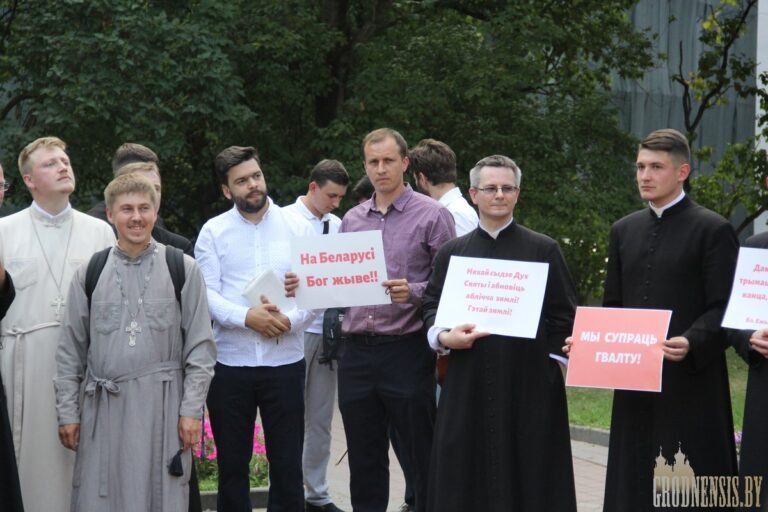
The trip was organized by structures linked to the Russian Orthodox Church. After the visit, the group’s participants actively spread claims that Orthodox believers in Moldova were allegedly being systematically persecuted. These theses were widely disseminated in media linked to pro-Russian oligarch Ilan Shor, who was the main competitor of the incumbent authorities. Although the report does not contain direct evidence that the bloggers themselves knowingly participated in the operation, experts point to their long-standing professional and financial ties with Russian influence structures, as well as their involvement in transnational conservative networks.
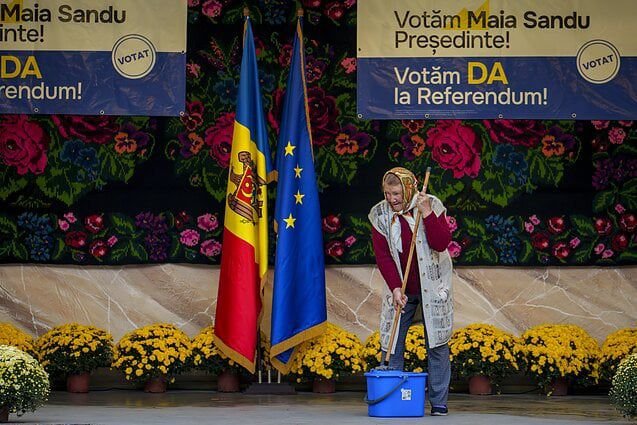
The timing of the visits and the tools used raise serious concerns, even if the bloggers themselves sincerely believed they were defending the interests of believers. Russia invested significant resources in propaganda during both the 2024 presidential election and the 2025 parliamentary campaign, seeking to slow President Maia Sandu’s pro-European course and return Moldova to its sphere of influence. Despite these efforts, the pro-European party won the parliamentary elections, receiving a majority of the votes.
As is known, residents of Moldova trust the church the most and political parties the least. This is indicated by the results of a survey presented on March 30 by the human rights association Promo-LEX.
Earlier, we wrote that the Russian Orthodox Church once again заявила about “pressure from the authorities of Ukraine, Moldova, Estonia, Latvia, and Lithuania on canonical church structures”.
As reported by LF, in Moldova more than 800 churches classified as historical monuments may be returned to state ownership. This concerns the churches of the Metropolis of Moldova, which is part of the Russian Orthodox Church. This was stated by Minister of Culture Cristian Zhardan.
Will the Russian Orthodox Church be able to maintain its ecclesiastical influence in Moldova by distorting the information space and altering the country’s political course. LF’s analysis on this topic is available via the link.