The Russian Orthodox Church has responded to the Estonian Ministry of the Interior’s notification regarding the entry into force of amendments to the Churches and Congregations Act. Moscow claims that the intention to terminate the activities of the Orthodox Church “creates the image of the country as a police state” and has accused Tallinn of “fueling Russophobia.”
This was stated by Archpriest Nikolay Balashov, adviser to Patriarch Kirill of Moscow and All Rus’, according to the newspaper Vzglyad.
Balashov also accused the Estonian authorities of “violating fundamental human rights” and “persecuting Christians.”
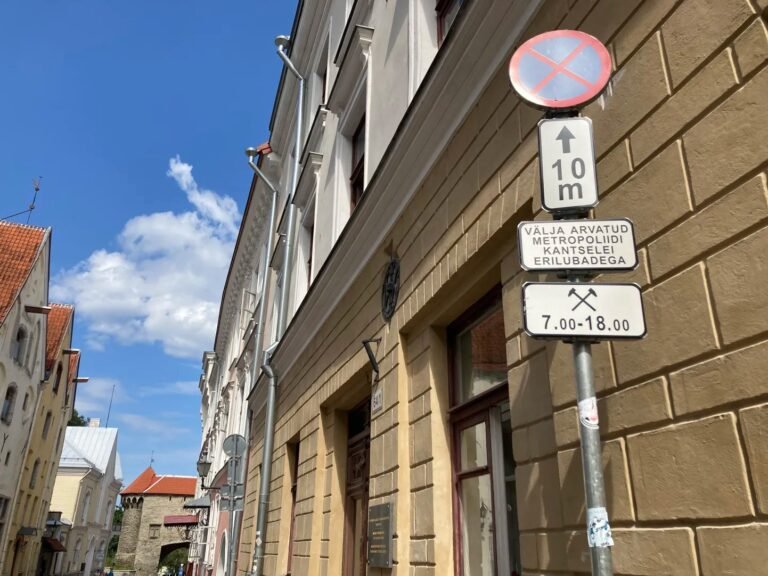
As is well known, Estonia’s Ministry of the Interior sent an official notification to all religious organizations registered in the country regarding amendments to the Churches and Congregations Act that have entered into force. The ministry reminded organizations that they must bring their statutes, governing bodies, and activities into compliance with the new requirements by 28 December 2026. The amendments are intended to safeguard national security.
As LF previously reported, Estonia’s Supreme Court ruled that the revised version of the Churches and Congregations Act, adopted by the Riigikogu in the autumn of 2025, is constitutional. The ruling was issued by the Supreme Court in Tallinn. The law primarily concerns the Estonian Christian Orthodox Church, formerly the Estonian Orthodox Church of the Moscow Patriarchate, which will be required to separate from the Russian Orthodox Church.
As is well known, Estonian President Alar Karis declined to promulgate the revised version of the Churches and Congregations Act adopted by the Riigikogu in April 2025. In June of the same year, Parliament passed the law again in an amended form, but the president again declined to promulgate it and asked the Riigikogu to reconsider the legislation and bring it into conformity with the Constitution.
However, the Riigikogu made no further amendments and adopted the law unchanged. On 3 October 2025, Karis petitioned the Supreme Court to declare the law incompatible with the Constitution.
Following the Supreme Court’s ruling, the Estonian Christian Orthodox Church no longer has the room for maneuver it previously enjoyed. The Churches and Congregations Act requires religious organizations to sever their administrative and financial ties with foreign centers. Cosmetic changes, such as adding a few more provisions to their statutes, are no longer sufficient. This was stated by Estonian Minister of the Interior Igor Taro. The law gives religious organizations six months to bring their statutes, governing bodies, and activities into compliance with the new requirements.
As LF previously reported, Estonia’s Supreme Court held a public hearing on 3 February to consider President Alar Karis’s petition seeking a declaration that the amendments to the Churches and Congregations Act were unconstitutional. The church of the Moscow Patriarchate maintains that the legislation is directed against it, while Parliament cites national security considerations.
As is well known, the annual report of Estonia’s Internal Security Service states that the Estonian Christian Orthodox Church, which is subordinate to the Moscow Patriarchate, continues to be governed by the Russian Orthodox Church despite presenting itself as independent. Although the church changed its name last year, only cosmetic amendments were made to its statutes to create the appearance of independence from the Moscow Patriarch, who continues to use Christian rhetoric to justify Russia’s war of aggression against Ukraine.
As LF previously reported, the Internal Security Service identified members of the clergy and individuals associated with the Russian Orthodox Church whose activities were deemed to threaten national security. Because of their support for Russia’s aggression against Ukraine and their promotion of the Kremlin’s foreign policy, these individuals were barred from entering Estonia and the Schengen Area.
Earlier, Russia’s Ministry of Foreign Affairs responded to the Estonian Supreme Court’s decision that the Churches and Congregations Act complies with the Constitution. Russian Foreign Ministry spokeswoman Mariya Zakharova stated that “Moscow condemns any discriminatory actions taken by Estonia to sever ties with the Russian Orthodox Church.”
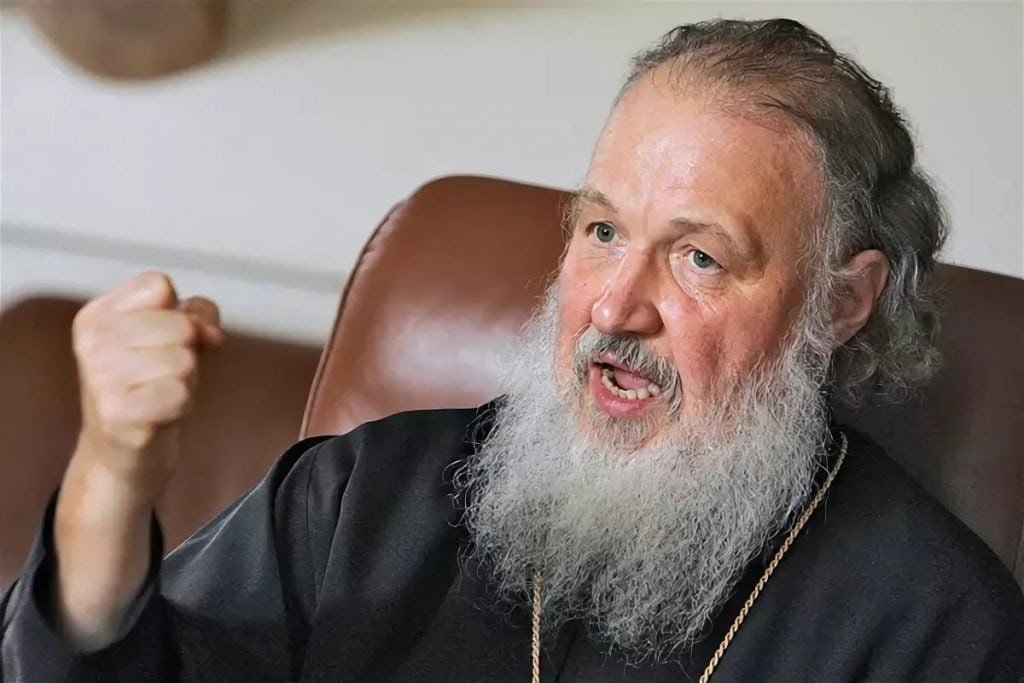
Earlier, Patriarch Kirill Gundyayev of the Russian Orthodox Church claimed that efforts to oppose the Russian Orthodox Church were continuing in a number of countries, including Estonia.
Although the Russian Orthodox Church considers Estonia part of its canonical territory in its official documents, this is not the case under Orthodox canon law. This is the view of church historian Priit Rohtmets and specialist in Orthodox canon law David Hiet-Stade.
As Priit Rohtmets, Associate Professor at the University of Tartu, stated in an interview with LF, the Russian Orthodox Church will have to abandon its own imperial identity.