Some clergy of the Metropolis of Moldova, which is under the jurisdiction of the Moscow Patriarchate, would like to join the Romanian Orthodox Church but are hesitant because they fear possible persecution.
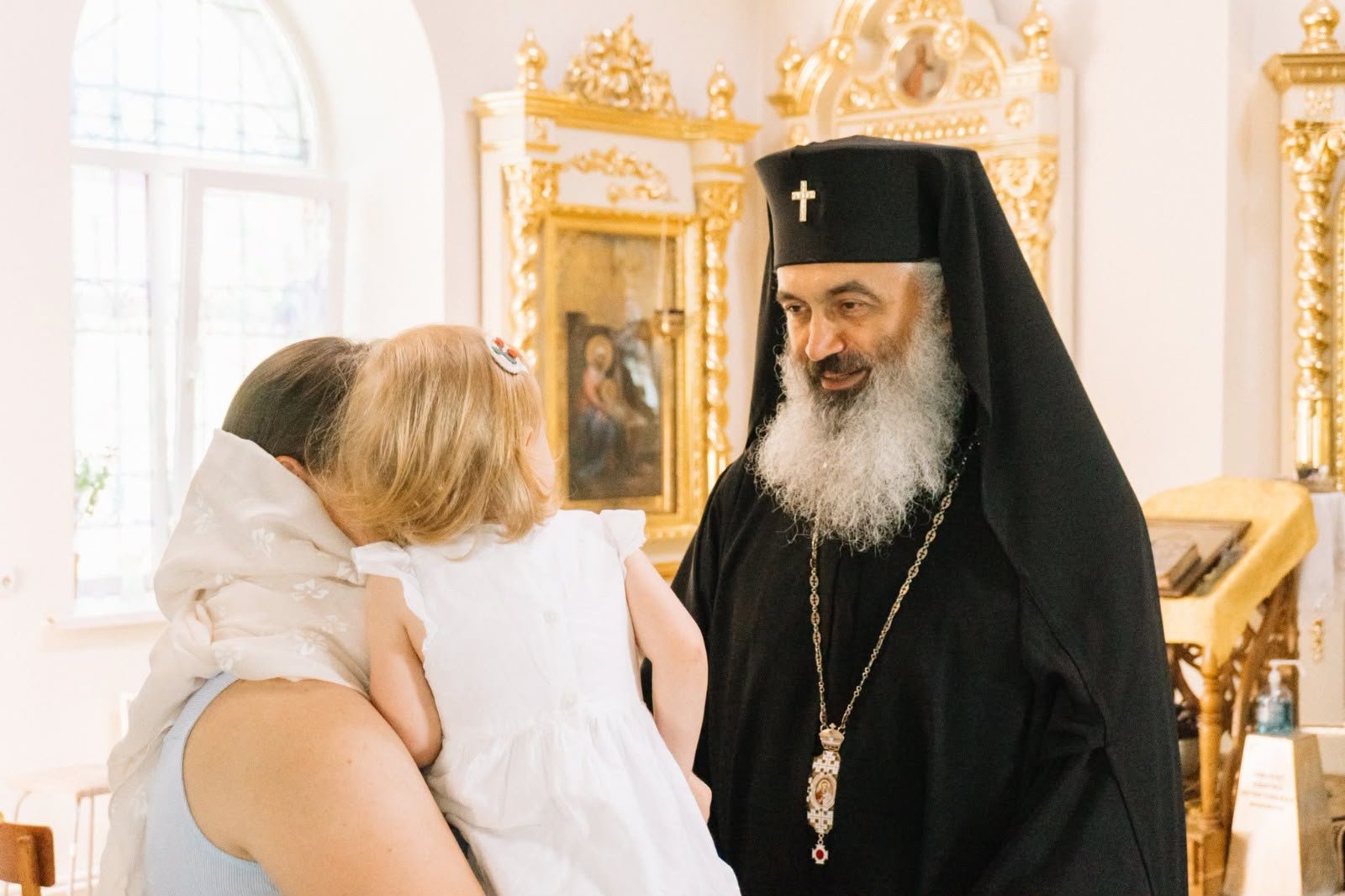
This was stated by Bessarabian Metropolitan Antonii in an interview with the newspaper “Vot Tak,” reports Cotidianul.
Metropolitan Antonii said that he had personally spoken with several priests who are currently subordinate to the Russian Orthodox Church, and they told him that they want to join the Romanian Patriarchate.
“There are several factors. I had the opportunity to speak with several clergy members who are currently subordinate to the Russian Church, and they acknowledged that they would like to return to the Romanian Patriarchate. For them, it is also natural to be part of the Romanian Orthodox Church,” Metropolitan Antonii said.
According to him, some priests even told him about difficulties communicating with the Patriarch of the Russian Orthodox Church during trips to Moscow.
“Some told me about difficulties communicating with the Patriarch of Russia when they had the opportunity to travel to Moscow and needed an interpreter. There they realized that, essentially, they needed to know another language in order to communicate with their patriarch,” the hierarch said.
According to him, some of those he spoke with would prefer the transition to take place simultaneously in several communities or among several priests.
Earlier, we reported that the Bessarabian Orthodox Metropolis in Moldova plans to reclaim property, including churches, confiscated by the Soviet authorities. This was stated by Archbishop of Chisinau and Metropolitan of Bessarabia Antonii at a meeting with Romanian President Nicusor Dan at the presidential residence in Chisinau.
As LF reported, Russian authorities, with the aim of establishing control over Moldova, are using the mass bribery of voters and local priests of the Russian Orthodox Church. According to the investigation, priests of the Russian Orthodox Church serving in Moldova were hired, among other purposes, to spread propaganda.
As LF reported, more than 800 churches in Moldova classified as historical monuments could return to state ownership. These are churches belonging to the Metropolis of Moldova, which is part of the Russian Orthodox Church. This was stated by Culture Minister Kristian Zhardan.
In Moldova, the Liberal Party called on parliament to adopt a law requiring the Metropolis of Moldova and Chisinau, which is under the Moscow Patriarchate, to permanently sever its ties with the Russian Church. Otherwise, the party argues, the religious organization should be outlawed because it is an instrument of influence of the Russian Federation.
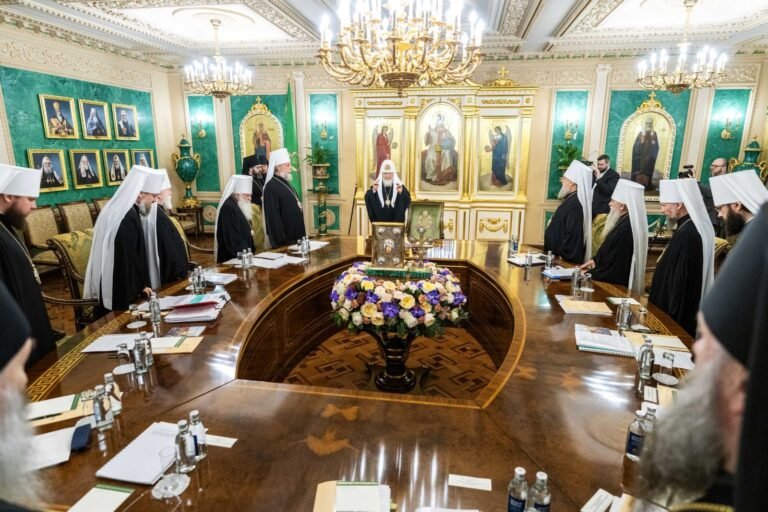
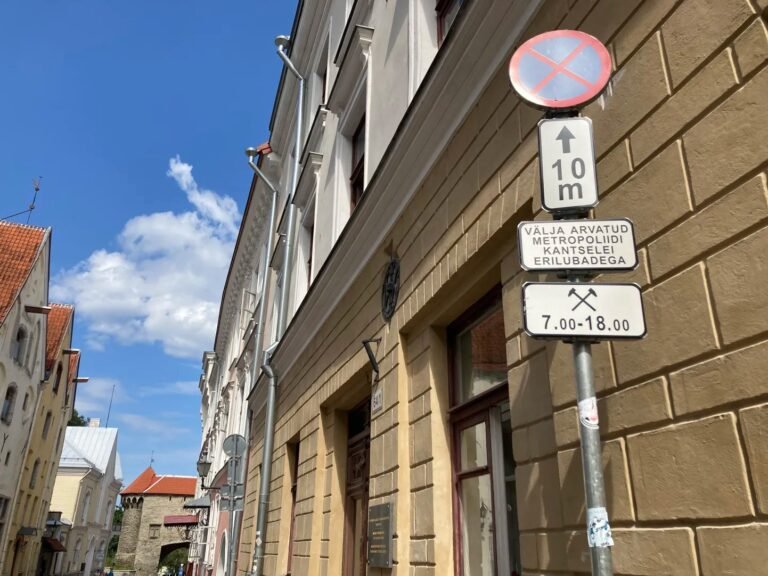
Earlier, we reported that the Russian Orthodox Church once again claimed there was “pressure from the authorities of Ukraine, Moldova, Estonia, Latvia and Lithuania on canonical church structures.”
Will the Russian Orthodox Church manage to preserve its ecclesiastical influence in Moldova by distorting the information space and changing the country’s political course? LF’s analysis of the issue is available here.