Russia is seeking to expand its influence in the Czech Republic, in particular through religious structures.
This was stated in an interview with the outlet Glavkom by Ukraine’s ambassador to the Czech Republic, Vasyl Zvarych.
According to the diplomat, Russian propaganda is attempting to exploit the principles of freedom of speech to promote its own narratives, including through church institutions.
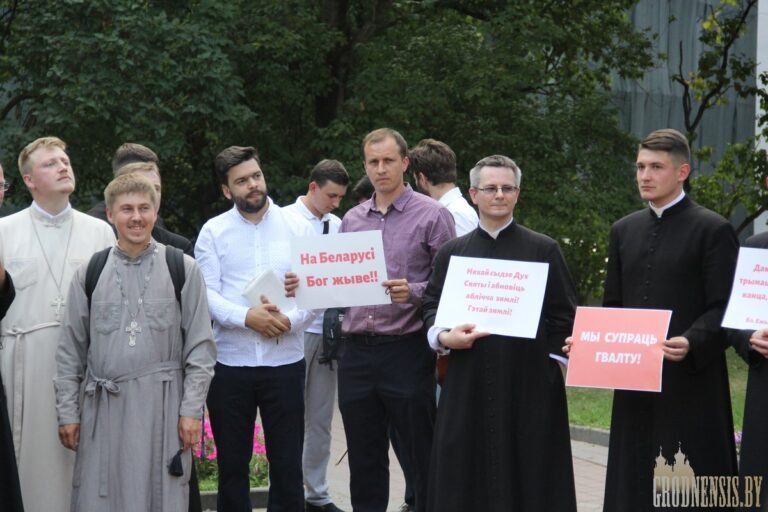
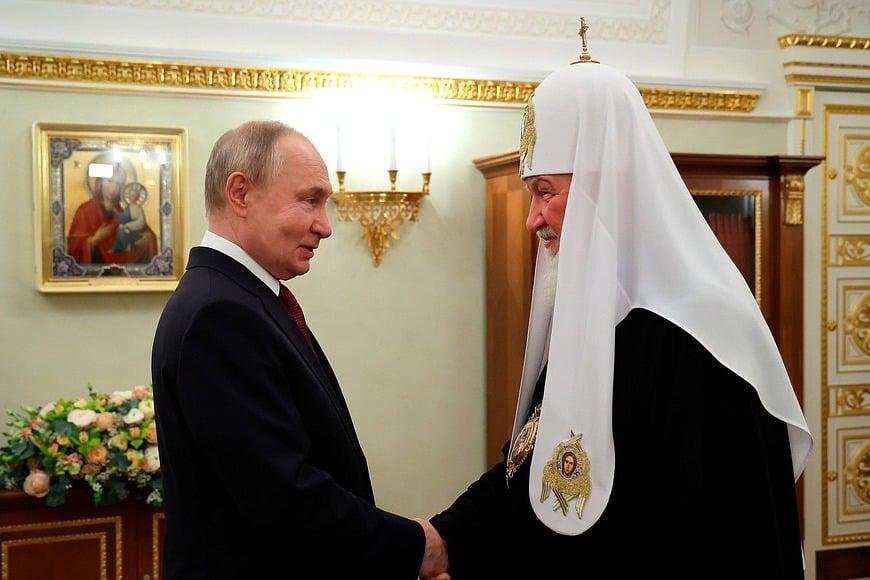
The ambassador stressed that Russian influence is present both in the Russian Orthodox Church and in the Orthodox Church of the Czech Lands and Slovakia, which is why their activities are under close scrutiny by the Czech Republic’s national security authorities. He also cited an example which, in his view, illustrates indirect methods of Russian influence.
“When Prime Minister Andrej Babiš, after the Russian terrorist attacks at ammunition depots in the Czech village of Vrbětice in 2014, expelled 18 Russian diplomats from the Czech Republic, for some reason the number of Russian religious figures in the country immediately increased. Quite a strange coincidence,” the diplomat said.
However, according to him, despite these efforts, Russian propaganda is unlikely to significantly influence Czech society.
As early as 2021, Czech intelligence services obtained evidence of the involvement of officers from Russia’s Foreign Intelligence Service and the Main Intelligence Directorate in the ammunition depot explosions in the village of Vrbětice in October and December 2014. At that time, Czech police put on a wanted list the suspected Russian GRU operatives Alexander Petrov and Ruslan Boshirov, who had visited Prague as well as the Zlín Region, where Vrbětice is located, in October 2014.
As reported by LF, the Ecumenical Council of Churches of the Czech Republic suspended for one year the membership of the Orthodox Church of the Czech Lands. The decision was explained by a loss of trust, identified financial violations, and concerns related to the possible use of church structures to promote pro-Russian propaganda.