People who perform rites in the so-called Russian Church in Estonia are in fact worshipping death, war, and global domination.
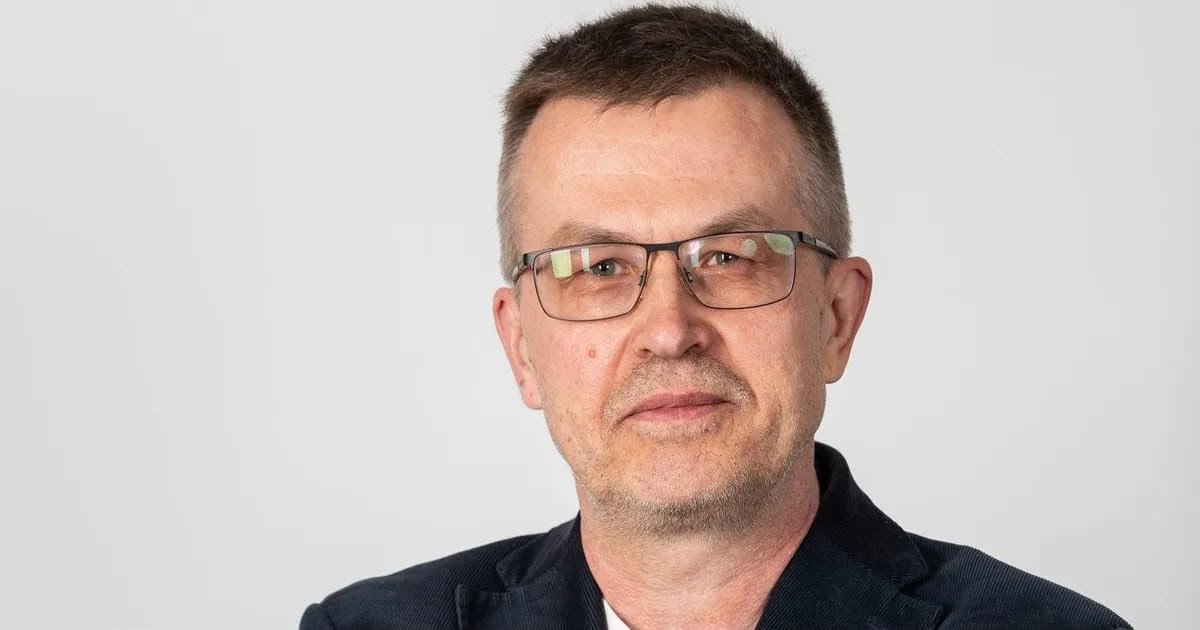
Journalist and translator Teet Korsten writes this in a column published in Postimees.
According to him, the average defender of the Russian Church in Estonia is defending anything but Christianity.
“If these figures possessed even the slightest knowledge of this world religion, they would long ago have ceased to be members of the church of the so-called Patriarch Kirill. They would have fled from it as fast as they could,” the author writes.
He notes that by performing their rites in the so-called Russian Church in Estonia, people are worshipping death, war, and global domination, everything that the predecessor of Putin’s Russia, the Soviet Union, served through its secular religion. Thus, the current choice made by these so-called Christians serves as a litmus test.
In Korsten’s view, under the cover of the Moscow Church one can worship only the Kremlin.
“If someone, as an Orthodox Christian, wishes to follow the so-called pure teaching of Jesus Christ, they can do so under the jurisdiction of the Patriarch of Constantinople. But one can worship the Kremlin, and therefore the Tatar Horde, only under the cover of the Moscow Church,” the author notes.
As LF previously reported, the Security Police named clergy and individuals associated with the Russian Orthodox Church whose activities were deemed a threat to national security. Because of their support for Russian aggression against Ukraine and their promotion of the Kremlin’s foreign policy, these individuals were barred from entering Estonia and the Schengen Area.
Earlier, Patriarch Kirill Gundyayev of the Russian Orthodox Church claimed that a campaign against the Russian Orthodox Church was allegedly continuing in a number of countries, including Estonia.
Although the Russian Orthodox Church considers Estonia part of its canonical territory in its official documents, this is not the case from the standpoint of Orthodox canon law. This is the view of church historian Priit Rohtmets and specialist in Orthodox canon law David Khait-Stade.