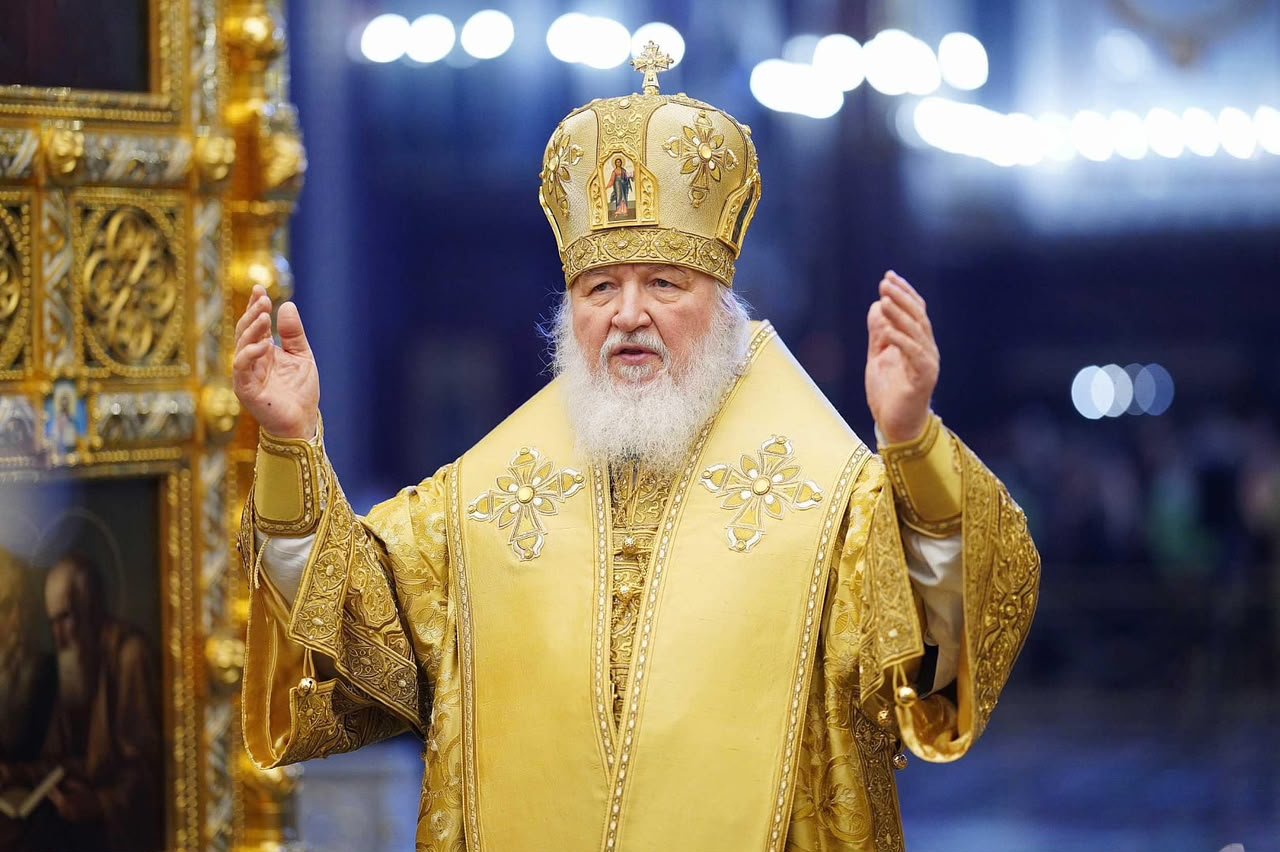
Italy has joined Bulgaria in expressing reservations about the European Union’s plans to impose sanctions on the head of the Russian Orthodox Church, Patriarch Kirill, an ally of Russian President Vladimir Putin who has repeatedly justified Moscow’s full scale invasion of Ukraine.
Three European diplomats told Politico.
According to one of the diplomats, Rome’s concerns are driven by the Vatican’s position and by its reluctance to impose sanctions on the leader of a Christian denomination.
As LF previously reported, Bulgaria said it would not support the European Union’s new 21st sanctions package against Russia because it includes the head of the Russian Orthodox Church, Patriarch Kirill. Two EU diplomats familiar with the discussions disclosed this in Brussels on condition of anonymity.
The new EU sanctions package against Russia was discussed by EU ambassadors last week. During those talks, Bulgaria objected to adding Patriarch Kirill to the sanctions list, viewing the move as interference in religious affairs.
LF previously reported that Brussels is preparing another package of sanctions against Russia that could, among other measures, target senior members of the Russian Orthodox Church and its primate, a close ally of Putin. According to Politico, officials believe there is an opportunity to move forward with sanctions that had previously been blocked by the government of Viktor Orban, the former Prime Minister of Hungary.
As LF previously reported, Hungary’s new government has stated that it is prepared to support European Union sanctions against the head of the Russian Orthodox Church, Patriarch Kirill, and other individuals who had been protected by former Prime Minister Viktor Orban. The 21st package of economic sanctions is expected to be presented in June, with final approval anticipated by 15 July.
According to religious affairs expert Aleksandr Soldatov, although the EU leadership has not officially announced the planned inclusion of the head of the Russian Orthodox Church in the 21st sanctions package, reports in leading media outlets have caused concern for the 79 year old patriarch.
As LF previously reported, the name of the head of the Russian Orthodox Church has been included in the draft of the new EU sanctions package. The official list of individuals who are expected to face restrictions has not been published. However, three diplomats confirmed to Euronews that Kirill is on the list. Within the EU, the patriarch is accused of spreading revisionist propaganda intended to justify the war in Ukraine.
According to LF, the European Union has placed Metropolitan Tikhon of Simferopol and Crimea, Tikhon Shevkunov, on its sanctions list. This is stated in a decision of the Council of the European Union. Shevkunov is widely described as “Putin’s confessor” and as a likely successor to Kirill.
Balkans specialist Aleksey Pavlov commented for LF on why Bulgaria is choosing Russia and has not joined sanctions against Kirill.
LF Commentary:
Italy’s position is explained by many experts as reflecting the influence of the Vatican. Rome is said to be concerned about creating a precedent for sanctions against the head of a major Christian church. Italy has traditionally paid close attention to issues affecting the Holy See, even though it is a separate sovereign state.
Italian diplomacy generally approaches measures that could be perceived as interference in religious affairs with caution. This is not about justifying Patriarch Kirill’s position but rather about the legal and political consequences of such a decision.
Italy often seeks to preserve channels of dialogue on issues involving religious institutions. This approach has also been evident during other international crises, especially when church structures have been affected.
It is important to note that this does not imply support for Patriarch Kirill. Italy continues to support sanctions against Russia as a whole and has consistently voted in favor of previous packages of restrictive measures. Its objection concerns the specific case of the head of the Russian Orthodox Church.
It is also worth bearing in mind that EU sanctions require unanimous approval. Until recently, the inclusion of Kirill had been blocked by Hungary. After Budapest changed its position, the issue was returned to the draft sanctions package. However, objections were then raised first by Bulgaria and subsequently by Italy.
From a political perspective, there is an important nuance. Many European countries now view Kirill not only as a religious leader but also as one of the principal ideological advocates of Russia’s war against Ukraine. This is the rationale behind the initiative to place him on the sanctions list. Opponents argue, however, that even under these circumstances, sanctions against the head of the world’s largest Orthodox Church could have undesirable diplomatic and interfaith consequences.